
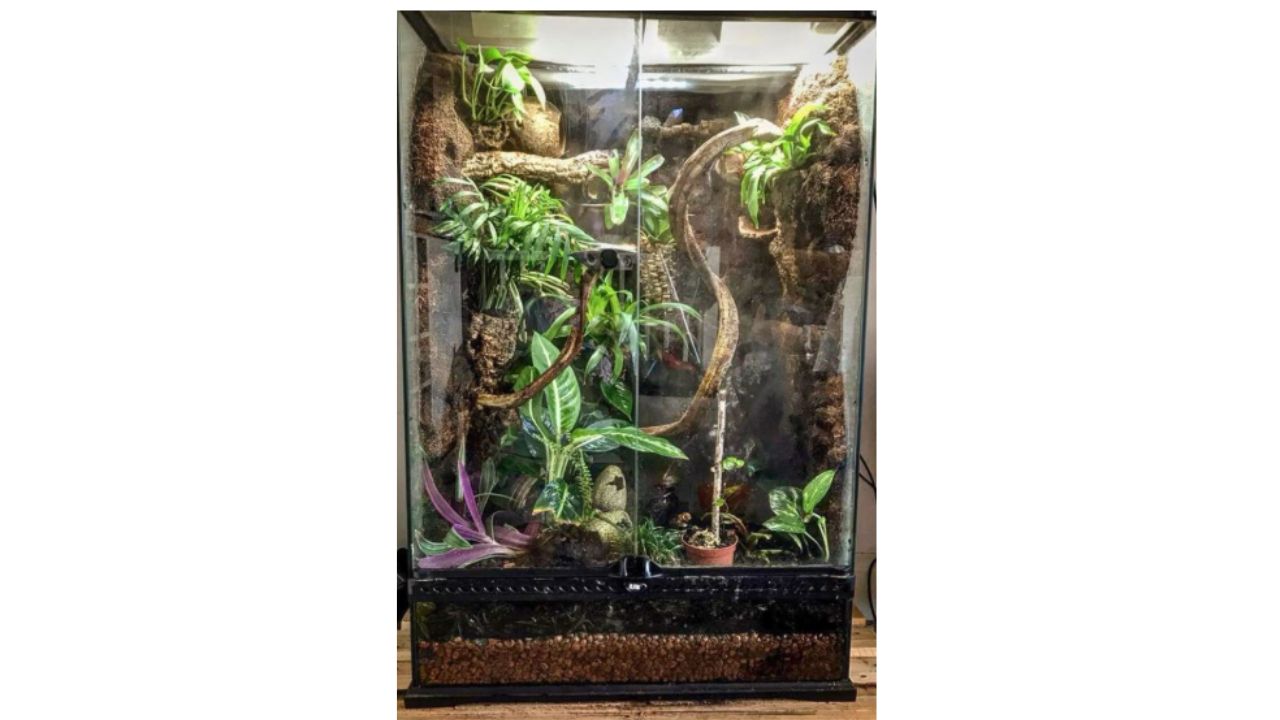
Crested gecko substrate choices can make or break a bioactive tank. This is because the substrate controls smell, mold, bugs, plant health, and humidity. And that controls the whole tank.
This guide focuses on bioactive setups. It provides you with researched-backed information to help you build a clean, stable, and healthy bioactive tank.
What the Gecko Is Like in Nature
Crested geckos are rainforest geckos from New Caledonia. They are mostly arboreal and active at night. That means the tank should have climbing space. But the floor still matters.
The substrate’s job is not “bedding.” Its job is to support a living soil system.
What “Bioactive Substrate” Really Means
A true bioactive substrate is a layered system. It supports plants, microbes, and microfauna.
It also avoids stagnant, sour conditions.
In humid vivariums, a drainage layer helps prevent the soil zone from staying waterlogged. Water that sits inside a saturated soil zone can cause stagnation. A drainage layer gives extra water somewhere else to go.
The 3 Layers to Know (Bottom To Top)
| Layer | What it does | Common materials |
| Drainage (“false bottom”) | Holds extra water away from roots and soil life. Helps avoid soggy soil. | LECA / expanded clay balls, lava rock, coarse gravel. |
| Separation barrier | Keeps soil from falling into the drainage layer. | Fine mesh or substrate barrier cloth. |
| Bioactive soil layer | Where plants root and the cleanup crew lives. | Soil-based mix with chunk + leaf litter (details below). |
Note:
Some keepers skip drainage layers. But for humid, planted crested gecko tanks, drainage layers are widely used. This is because they reduce the odds of a waterlogged substrate.
Crested Gecko Substrate Goals (Simple Checklist)
A good crested gecko substrate for bioactive tanks should:
- Stay damp, not swampy.
- Hold shape for plants.
- Resist compaction over time.
- Feed the cleanup crew.
- Allow oxygen to move through.
If one goal fails, problems show up fast. They usually manifest as sour smells, persistent mold, or a gnat bloom.
Age-Based Substrate Recommendations (Baby vs. Juvenile vs. Adult)
Age matters with crested gecko substrate. Younger geckos are smaller. They are also more likely to grab food fast. That raises the chance of swallowing bits of loose substrate by accident.
Many husbandry guides list paper towel or newspaper as safe, easy-to-monitor options.
Naturalistic substrates can also work. But they need closer monitoring for moisture, waste, and mold.
Simple Rule Of Thumb
Loose, particulate substrates are a better fit once the gecko is larger and husbandry is stable. For small geckos, “clean and easy to see” substrates make daily care simpler.
Substrate By Life Stage
| Life stage | Best “default” substrate | Why it works | Watch-outs |
| Baby (hatchling) | Paper towel or unprinted newspaper. | Easy cleanup, easy to see poop, lower chance of swallowing loose bits. | Needs frequent changes; looks less natural. |
| Juvenile | Paper towel/newspaper is still a strong option. | Still easy to monitor feeding and stools. | If switching to loose substrate, switch slowly and watch behavior closely. |
| Adult | Bioactive soil + leaf litter (with a drainage layer and barrier in humid builds). | Supports plants and cleanup crew, holds stable humidity when built correctly. | Too-wet soil can trigger gnats and persistent mold. |
Note:
“Baby vs juvenile vs adult” is often defined by size and body condition more than a strict calendar age. When in doubt, keep things simple longer. A thriving gecko beats a “perfect-looking” tank.
What To Expect in the First 30 Days (Cycling a Bioactive Crested Gecko Tank)
The first month is the “settling” phase. It can look messy. But let plants root at this point.
Let the cleanup crew settle in and start reproducing. Then the system can handle normal waste and leftover organics more smoothly.
The Big Timeline
| Time window | What it often looks like | What it usually means | What to do |
| Days 1–7 | White fuzzy patches on wood or leaf litter, a fresh “forest” smell, glass fogging after misting. | Early fungal growth is common in new setups, especially on fresh décor. | Do not panic-clean; keep airflow reasonable; avoid over-watering the soil. |
| Week 2–3 | Mold blooms can flare and fade; springtails become more noticeable; isopods hide and then start showing more. | The microfauna are finding food and spreading; fungi and microbes are competing and balancing. | Keep leaf litter topped up; feed the cleanup crew lightly if needed (tiny amounts). |
| Week 4 | The tank smells “earthy,” plants look established, mold is less dramatic, and the cleanup crew seems stable. | The enclosure is closer to functioning as a system instead of “wet soil + new wood.” | This is the common window many keepers wait for before adding a crested gecko. |
A month is a widely recommended settling time. Some keepers move faster. But waiting longer usually makes the tank easier to keep stable.
What “Normal” Mold Looks Like (And What Is Not Normal)
Normal, early-stage bioactive mold is often white and fuzzy on wood, leaf litter, or fresh organics. It tends to slow down as surfaces get colonized by a broader mix of microorganisms and as springtails establish.
More concerning signs:
- Black mold is treated as a red flag in many bioactive guides.
- Slimy growth, a sour smell, or mold that keeps returning in the same spot. This can signal low airflow or overly wet substrate.
When it is Safer to Introduce the Gecko
A common recommendation is to wait around 4 weeks before adding the primary animal. It ensures that the ecosystem has time to form and the cleanup crew can respond to mold cycles.
A similar “about a month” settling window is also recommended for crested gecko bioactive setups. This allows plants and microfauna to be established.
Quick readiness checklist
- The substrate is damp, not swampy.
- The tank smells earthy, not sour.
- Springtails are present and active (especially near leaf litter).
- Plants resist a gentle tug (roots are grabbing).
- Mold is decreasing or staying in small, manageable patches.
Common “First Month” Problems And Fast Fixes
| Problem | Why it happens | Quick fix |
| Fungus gnats show up | Wet organic media is perfect for them; they can enter through screens. | Use fine vent covers, trap adults, and use Bti (“Mosquito Bits”) treated water to target larvae. |
| Mold keeps exploding | Too wet + stale air + too much decaying food. | Reduce watering, increase airflow, and boost springtails. |
| Cleanup crew “disappears” | They hide, or conditions are too dry/wet in the wrong places. | Add leaf litter and create a moisture gradient (one damp zone, one drier zone). |
A Smooth Upgrade Path to Bioactive (No Stress Switch)
This keeps the tank safe and still moves toward a planted setup.
- Start with a paper towel or newspaper while the gecko is small.
- Build the bioactive layers in a separate bin first (soil + leaf litter + cleanup crew).
- Once the cleanup crew is active and the soil smell is “earthy,” move that substrate into the tank.
- Switch the gecko once the tank is stable and gnats are not exploding (Bti can help if they are).
Tips That Reduce Accidental Swallowing
- Feed in a dish. It reduces lunging into the soil.
- Remove leftover food quickly. It helps limit mold and gnat breeding pressure.
- Keep leaf litter on top of bioactive soil. It creates a “buffer layer” between the gecko and loose soil.
The Substrate Mix That Works for Most Bioactive Crested Gecko Tanks
There is no single perfect recipe. But the most reliable mixes have two parts:
- A “soil” base that holds moisture and nutrients.
- Chunky structure that keeps air pockets in the soil.
A Practical “Balanced” Recipe
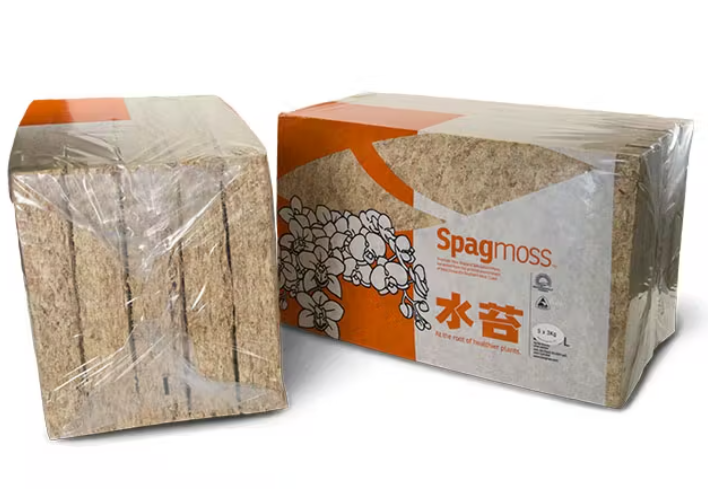
This is a safe starting point for many planted tropical vivariums:
- Organic topsoil (no fertilizers or pesticides).
- Coconut coir or sphagnum for moisture balance.
- Orchid bark or wood chips for structure.
- Leaf litter on top as a constant food source.
The key idea is structure. Chunk prevents the soil from turning into mud.
The Importance of Leaf Litter
Leaf litter is food. It also becomes micro-habitat. A thick top layer of leaf litter helps isopods and springtails spread out. It also keeps the surface from drying too fast. Leaf litter reduces direct light on the soil, which can slow algae growth.
Cleanup Crew Health Depends On Substrate Chemistry
In a bioactive tank, the “cleanup crew” is part of the substrate system. It is not an add-on.
Calcium: The Quiet Requirement (Especially For Isopods)
Isopods need calcium to build and maintain their exoskeleton.When calcium is low, cultures can weaken over time.
Simple calcium options used in enclosures include cuttlebone and eggshell. Cuttlebone is commonly used because it is soft and easy to scrape.
A placement tip:
- Put calcium in a dry-ish corner under cork or leaf litter. This keeps it available without turning it into mush.
Mold, Springtails, and What “Normal” Looks Like
New bioactive tanks often get a mold bloom. That does not always mean something is wrong.
Springtails feed on fungi and help disrupt the mold cycle by consuming decomposing matter that supports fungal growth. They are especially useful in humid setups where white mold shows up easily.
When mold becomes a real issue
Mold is more concerning when:
- It keeps coming back in the same spot.
- It covers food bowls daily.
- It smells sour.
- The tank is always wet.
In that case, the substrate is usually too wet. Other reasons include too low airflow or that food is being over-offered.
Fungus Gnats: A Substrate Problem in Disguise
Fungus gnats are strongly tied to wet organic media. They are not “dirty house” insects. They are “perfect moisture + organic matter” insects.
A simple control plan used in planted setups includes:
- Blocking entry with finer vent covers.
- Trapping adults with sticky cards outside the enclosure area.
- Using Bti (“Mosquito Bits”) as a larval control method via treated water.
It’s important to know that placed near the enclosure should not risk catching isopods. Keep sticky traps outside the tank.
Drainage Layer Details That Make a Big Difference
A drainage layer is not just “throw LECA in.” Small build choices change how stable it stays.
Here are some important points to consider:
- Use at least about 2 inches (5 cm) of drainage media in many builds.
- Use a barrier so soil does not clog the drainage zone.
- Keep water from rising into contact with the soil layer.
If water touches the soil constantly, the soil can stay saturated. That pushes the system toward anaerobic conditions.
Substrate Depth For Crested Geckos (Bioactive)
Crested geckos do not need deep burrowing substrate. But plants and cleanup crews benefit from depth.
A common planted-vivarium depth target is several inches. It gives roots room and gives isopods a stable moisture gradient.
If the tank is tall, give the soil more depth. If the tank is short, keep depth moderate and focus on structure.
What To Avoid (These Cause Most Bioactive Failures)
Avoid these substrate choices in humid bioactive crested gecko tanks:
- Pure coconut fiber with no structure. It compacts.
- Pure sphagnum as the main soil. It stays too wet.
- Sand-heavy mixes. They can reduce aeration and pack down.
- Fertilized potting soil. It can contain additives not meant for vivariums.
- Aromatic woods (like cedar or pine). These are not suitable for reptile enclosures.
Also avoid “soil that never dries.” Bioactive soil should stay damp. But not soaked.
A Simple Substrate Shopping List
Follow this checklist to keep things simple.
Core items
- Drainage media (LECA or lava rock).
- Barrier mesh.
- Organic soil base (fertilizer-free).
- Chunky bark or wood chips.
- Leaf litter.
- Springtails and isopods.
Optional but helpful
- Charcoal as a minor mix component to add structure. (Some classic vivarium mixes include charcoal as part of the blend.)
- Cork bark hides to create dry pockets.
- Calcium source for isopods (cuttlebone).
A Simple Build Plan (usually around 25 Minutes of Work)
- Add 2+ inches of drainage media.
- Add the barrier mesh and seal edges if needed.
- Add the soil mix. Do not pack it down hard.
- Plant and water lightly.
- Add springtails and isopods.
- Add a thick leaf litter layer.
- Let the tank settle before adding the gecko.
A settling period helps plants root and the microfauna establish. It also lets moisture levels stabilize.