
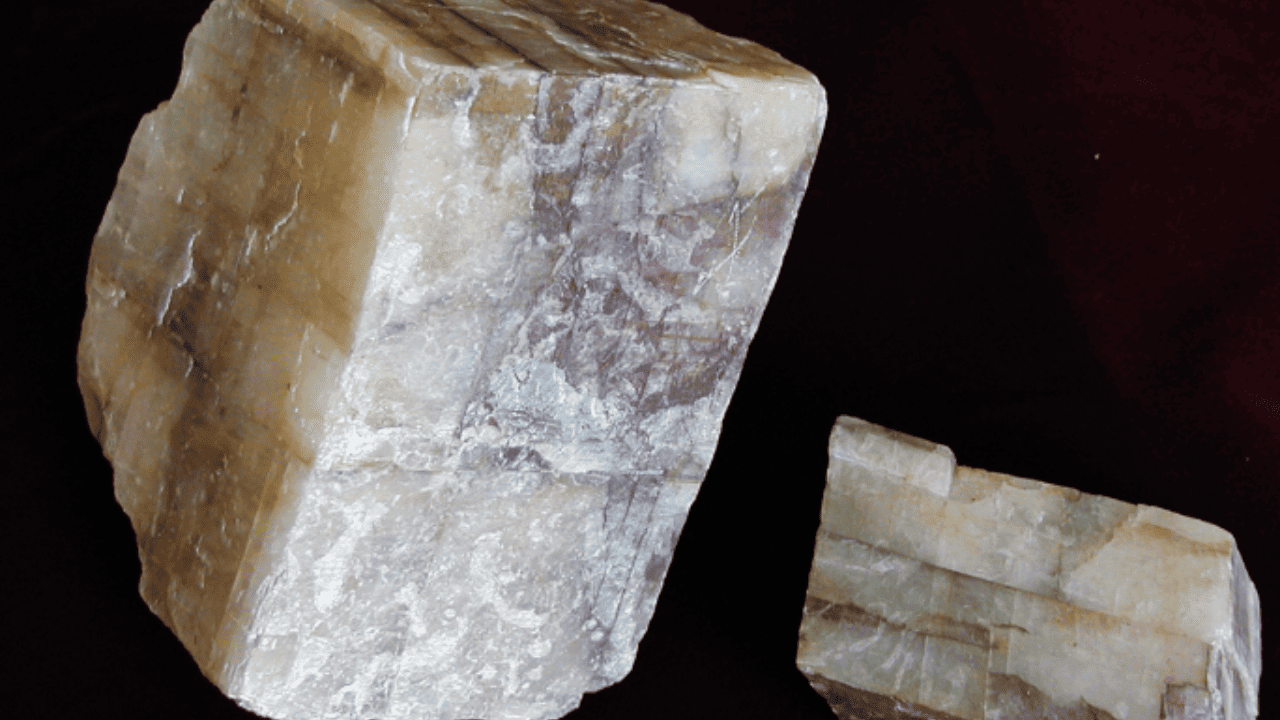
Orchids need more than water and sunlight to thrive. One ingredient many growers overlook is dolomite. What is dolomite, and why does it matter for your orchids?
Dolomite is a naturally occurring mineral. It is made of calcium and magnesium carbonate. It buffers pH and supplies essential minerals. The mineral supports healthy roots by strengthening cell structure, improving nutrient uptake, and promoting steady root development. When combined with a long-lasting orchid medium like Orchiata, dolomite helps your orchids grow stronger and rebloom reliably.
Most store-bought mixes use soft fir bark, which breaks down in months. It compresses, traps water, and reduces airflow. That is where Orchiata and dolomite together make a difference.
1. Dolomite Keeps pH Balanced
Orchids like a narrow pH range. The sweet spot sits between 5.5 and 6.5. Stay in that range, and roots absorb nutrients easily. Drift outside it, and problems start quietly.
Now here’s what many growers don’t realize. Bark does not stay the same over time. As it ages, it begins to break down. During that process, the pH slowly drops which causes the mix becomes more acidic.
What happens as bark acidifies
- pH drops below 5.5
- Calcium and magnesium become harder to absorb
- Other nutrients get locked out
- Root tips weaken over time
Why standard bark mixes don’t fix this
Most mass-market mixes use fir bark. It breaks down quickly, so producers add:
- Charcoal
- Perlite
These help with airflow. But they do nothing to control pH.
So even if the mix drains well, the acidity problem remains. Over time, the root zone still shifts into a range where nutrients are harder to use.
Experienced growers notice this pattern. It is especially so when they use pure or low-mineral water like RO or rainwater. These water sources have little buffering capacity.
So what happens?
- Bark acidifies faster
- pH drops sooner
- Growers start adding dolomite on top
This is called top-dressing. It works, but it is reactive. It fixes the problem after it shows up. It also adds another step to orchid care.
Why built-in dolomite changes everything
A better approach is to solve the problem before it starts.
That is exactly why dolomite is applied at the final stage of Orchiata’s production process. It is not added later by the grower. It is part of how the medium is engineered.
This matters because now:
- The pH is set correctly from day one
- The buffering is evenly distributed across the bark
- The root zone stays stable over time
So instead of chasing pH changes, the plant grows in a consistent environment.
How This Impacts Orchid Growth
| Situation | Without built-in buffering | With built-in buffering |
| First few months | Looks fine | Looks fine |
| After 6 months | pH drops, roots stressed | pH stays stable |
| Nutrient uptake | Becomes inconsistent | Remains steady |
| Grower effort | Needs correction | Minimal intervention |
2. Supplies Essential Minerals
Dolomite is rich in calcium and magnesium. These are two elements orchids cannot live without.
- Calcium: Strengthens root tips, leaves, and flower spikes
- Magnesium: Supports chlorophyll production and photosynthesis
These minerals are naturally delivered right where roots can absorb them. This helps your orchids grow strong, even under less-than-perfect care.
3. Works Hand-in-Hand With Orchiata Bark
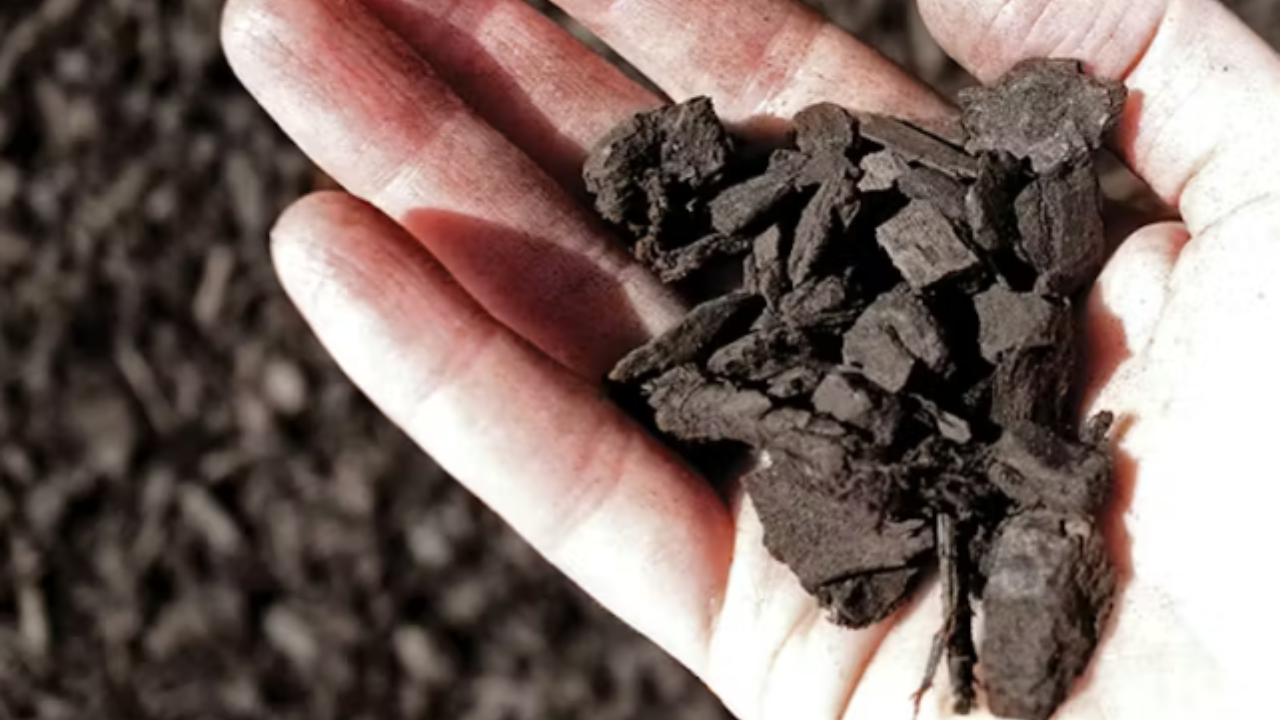
Dolomite thrives in a stable, long-lasting soil or potting mix that does not break down quickly, stays structurally stable over time, and maintains consistent airflow and moisture balance. Orchiata’s structure provides exactly that. Unlike composted bark, which decomposes through the entire particle, Orchiata goes through an 11-step proprietary aging process. Conceptually, this works as follows:
- Only the outer surface of each bark chip is modified.
- This surface is conditioned to hold water and nutrients for roots.
- The inner core stays hard and dense, providing structural stability for 2–3 years.
- This balance ensures airflow remains consistent while moisture and nutrients are available steadily.
Where dolomite fits in:
- Dolomite is applied at the end of the aging process.
- It naturally binds to the bark surface, locking in a stable pH of 5.5–6.5.
- Unlike hobbyist bark mixes, growers don’t add dolomite separately. It is integrated into the finished substrate.
- This ensures orchids receive calcium and magnesium consistently without pH swings.
| Feature | Fir Bark Mix | Orchiata (Pinus radiata) |
| Bark hardness | Soft | Dense and hard |
| Decomposition | Months | 2–3× longer |
| Airflow over time | Drops quickly | Maintains consistently |
| Additives needed | High (charcoal, perlite) | Not required |
| Moisture retention | Uneven | Controlled and predictable |
4. Supports Healthy Roots
If the roots are healthy, the orchid grows. If the roots struggle, everything else slows down. Dolomite plays a powerful role here.
Let’s start with calcium. Orchids have a special root layer called the velamen. This is the spongy outer layer you see on aerial roots. It absorbs water from the air and protects the inner root. Calcium helps build and maintain this layer.
When calcium is available:
- The velamen stays thick and functional
- Root tips stay active and grow steadily
- Cells form strong walls that hold their shape
This strength matters. Roots with good calcium supply are less prone to damage and disease. They can resist pathogens better because their cell walls are firm and intact.
Now look at magnesium. It is often linked to leaves, but its effects start earlier. Magnesium supports energy movement inside the plant. When levels drop, roots feel it first.
You may notice:
- Slower root growth
- Less branching
- Reduced ability to take up water
Leaves show deficiency later. By then, the root system has already been under stress for some time.
Dolomite supplies both of these minerals directly in the root zone. That makes a real difference over weeks and months.
What “green, firm roots” really mean
Growers often say healthy roots should look green and firm. That is true, but there is more behind it.
- Green color means the velamen is hydrated and functioning
- Firm texture means the cells are well-structured and supported by calcium
- Active tips show the root is still growing and exploring
Stability matters just as much as nutrients
Nutrients alone are not enough. Roots also need a stable environment.
When bark breaks down, pH drops. The root zone becomes more acidic. Over time, this creates stress:
- Nutrient uptake becomes uneven
- Root tips weaken
- Energy shifts from growth to survival
This is where Orchiata makes a difference. Because the bark holds its structure and resists breakdown, the root zone does not swing between conditions.
So instead of reacting to stress, the plant can:
- Grow new roots consistently
- Absorb nutrients without interruption
- Put energy into leaves and blooms
Dolomite supports the roots chemically. Orchiata supports them physically. Together, they create a root environment that stays balanced over time.
5. Reduces Stress During Repotting
Repotting can be stressful for orchids. Orchiata’s stable bark and dolomite make it easier.
- Roots stay supported in the pot
- Nutrients are immediately available
- Calcium and magnesium strengthen roots
Plants recover faster. Leaves stay firm. Spikes remain strong. Stress is reduced during the transition.
6. Encourages Flowering and Rebloom
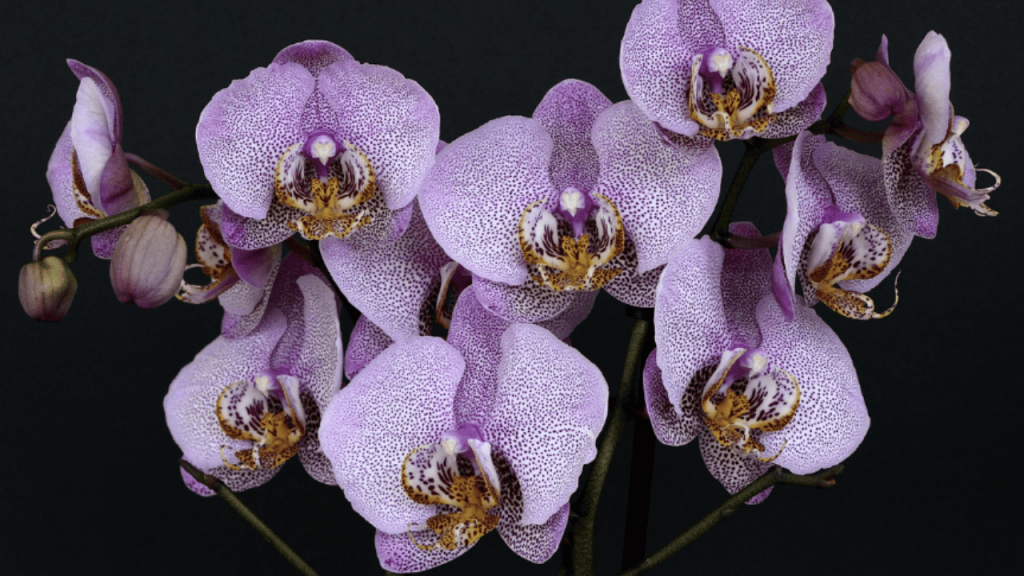
Orchids bloom when conditions are steady. It means that the plant is more likely to produce flowers when its environment stays consistent over time, without sudden changes. Dolomite ensures the root zone stays balanced, helping spikes form naturally.
How dolomite helps blooms:
- Buffers pH swings that inhibit spike formation
- Supplies calcium to strengthen flower spikes
- Keeps magnesium available for energy during flowering
Combined with Orchiata, the medium holds moisture evenly and maintains airflow, making reblooming consistent.
How to Use Dolomite in Orchids
At Acadian Supply, dolomite is pre-mixed into Orchiata at the right ratio. This eliminates guesswork.
Tips for best results:
- No soaking needed – Orchiata is ready straight from the bag
- Match chip size to roots – smaller chips for small roots, larger chips for big orchids
- Monitor moisture – dolomite keeps pH steady, so watering is easier
- Light fertilization – dolomite supports but does not replace nutrients
Chip size guidance:
| Orchid Type | Orchiata Chip Size | Why |
| Miniature orchids | 1/8”–1/4” | Small roots, hold moisture |
| Phalaenopsis | 1/4”–3/8” | Balanced moisture and airflow |
| Cattleya & large orchids | 3/8”–1/2” | Large roots, fast drainage |
Smaller chips retain more moisture due to surface area. Larger chips dry faster and prevent overwatering.
Why You Should Never Wash Orchiata
Many new orchid growers hear advice to wash their bark before using it. With Orchiata, this is not only unnecessary but harmful. Washing removes the dolomite that has been carefully added during production. Dolomite stabilizes pH and supplies essential calcium and magnesium. Losing it reduces the very benefits that make Orchiata superior.
What happens if you wash it:
- Key minerals are rinsed away
- Root zone pH can fluctuate
- Orchid growth and rebloom potential are reduced
- Extra labor is added with no gain
You may notice a greyish-white coating in the bag. This is dolomite naturally adhering to the bark chips. It is intentional and safe. It is not dust or debris. This coating is what ensures orchids get a steady supply of calcium and magnesium without extra fertilization.
Key takeaway:
- Use Orchiata straight from the bag
- Never soak or rinse
- Trust the coating. It is working for your orchids
Signs Dolomite Works
Monitor your orchids for these signs:
- Roots are green, firm, and healthy
- Leaves are strong and glossy
- Spikes form steadily
- Water absorption is consistent
These indicate your orchids are thriving in a dolomite-supplemented potting mix..
Why Fir Bark Mixes Often Fail
Many commercial mixes rely on fir bark with fillers like charcoal or perlite. These fillers are compensatory, not solutions.
Problems with fir bark mixes:
- Bark breaks down quickly
- Roots lose air pockets
- Water distribution is uneven
- Plants struggle to adapt
Dolomite with Orchiata solves these naturally. The medium stays stable. No extra fillers are needed.
Expert Tips for Using Dolomite and Orchiata
- Repot every 2–3 years or when roots outgrow the pot
- Avoid standing water to prevent root rot
- Use clear pots to check root health
- Adjust watering based on chip size and orchid species
This approach keeps orchids stress-free, so they focus energy on growing and blooming.
Why Orchiata + Dolomite Is the Professional Standard
Top orchid growers worldwide rely on this combination because it consistently delivers stable growing conditions. It also reduces common stresses that harm roots and blooms. By integrating mineral support and pH stabilization during production, the medium ensures that orchids receive nutrients in a controlled way.
Benefits include:
- Stronger root development over multiple growing seasons
- Consistent moisture balance without frequent adjustments
- Reduced need for repotting compared to standard bark mixes
- Reliable flowering cycles year after year
Discover professional-level results and find a retailer near you here.