
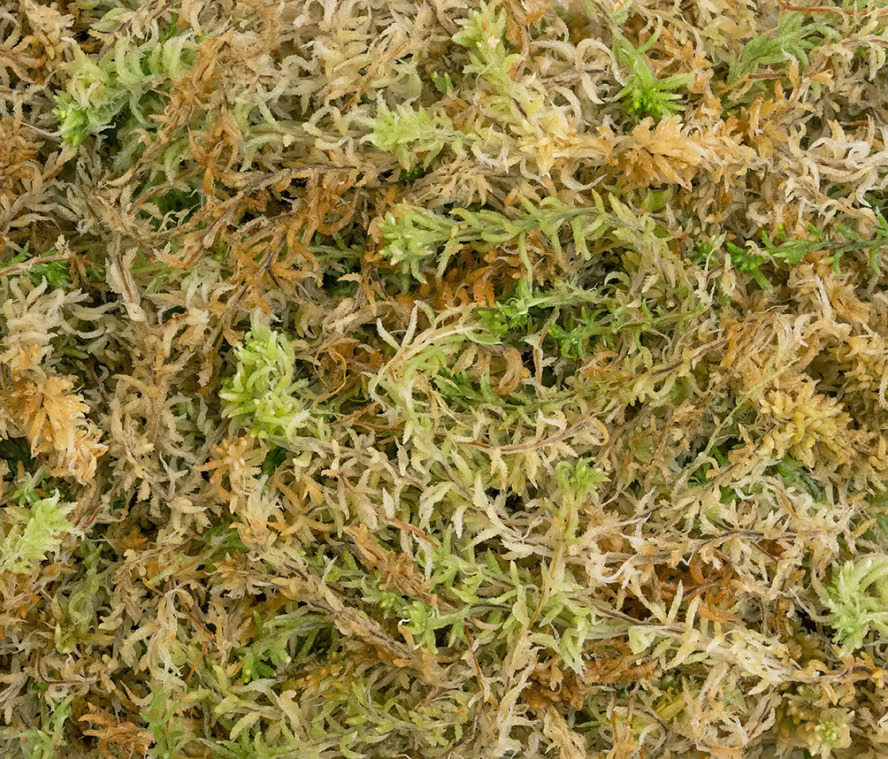
The best sphagnum moss for orchids is long-fiber New Zealand sphagnum cristatum. It is known for strong strands, clean structure, and reliable moisture control.
Many growers buy moss that looks fine at first. But later, they face issues like root rot, dryness, or slow growth. So what actually makes one moss better than another?
Let’s find out.
Why Use Sphagnum Moss for Orchids?
Orchids do not grow in soil. In nature, they cling to trees. Their roots sit in open air and absorb moisture from rain, humidity, and organic debris.
So when orchids are grown at home, the growing medium must mimic that balance. It must hold water. But it should also allow air to move freely.
That is where sphagnum moss for orchids comes in.
It works because it can:
- Hold moisture for longer periods
- Stay light and airy when packed correctly
- Support delicate root systems
But moss can also cause problems if it is the wrong type or used incorrectly.
Why Many Growers Struggle With Moss
Walk into any big box store in the U.S. You’ll see that most orchids are sold in moss. It looks clean and simple. But then problems start showing up.
Roots turn brown and leaves wrinkle. Growth slows down. It feels confusing.
The issue is not moss itself. It is usually one of these:
- Poor-quality moss
- Overpacked roots
- Inconsistent watering
This leads to valid question.
“Is moss even the right choice?”
Yes, but only when the quality and technique are right.
What Makes Good Sphagnum Moss for Orchids
Not all moss is the same. In fact, the difference between average and high-quality moss is huge.
Here is what to look for:
1. Long, Strong Fibers
Good moss has long strands. These strands create air pockets. That keeps roots from suffocating.
Short, broken moss compacts quickly. Airflow drops and roots struggle.
2. Clean Structure
High-quality moss looks clean. It does not feel dusty or full of debris.
Poor moss often contains:
- Bits of soil
- Twigs
- Decomposed material
These hold too much water and increase the risk of rot.
3. Elastic Texture
When squeezed lightly, good moss springs back. It does not stay compressed.
This is important because orchids need a mix of moisture and air, not a soggy block.
Why Orchid Growers Use Moss Instead of Bark
Both moss and bark are popular orchid media. Each has a role.
So why choose moss? It often comes down to moisture control.
Moss works best when:
- The environment is dry
- Watering is inconsistent
- Roots need more hydration
Bark works best when:
- Airflow is already high
- Overwatering is a concern
- Roots need faster drying
This can lead many beginner growers to wonder if moss is too risky? It can be. But only if the wrong moss is used or packed incorrectly.
How Sphagnum Moss Supports Root Health
Healthy roots are the goal. Everything else follows from that.
Moss supports roots in three main ways:
1. Moisture Balance
It holds water evenly. Roots stay hydrated without being flooded.
2. Gentle Support
Soft strands wrap around roots without damaging them. This helps during repotting.
3. Stable Environment
Good moss does not break down quickly. It maintains structure over time.
When this balance is right, roots stay:
- Firm
- Light green when wet
- Active at the tips
That is when orchids grow well.
The Hidden Problem Most Guides Miss
Here is something rarely explained clearly. Most moss sold in the market is not the same species. Many low-cost mosses come from:
- China
- Chile
They are different species of sphagnum. They look similar but behave differently.
Common issues with these types:
- Shorter fibers
- Faster breakdown
- Higher contamination
This leads to unstable growing conditions. So even when care is correct, results feel inconsistent.
Why New Zealand Sphagnum Stands Out
The best sphagnum moss for orchids comes from New Zealand. More specifically, it comes from sphagnum cristatum. This species is known for its strength, structure, and consistency. These traits are not subtle. They show up clearly once the moss is used in real growing conditions.
What sets New Zealand moss apart
Start with structure. Sphagnum cristatum has long, thick strands with a strong internal build. This helps the moss hold its shape instead of collapsing. That improves airflow around roots.
Now look at water handling. High-quality New Zealand moss can reach up to 96% water holding capacity. It can hold nearly 20 times its own weight in water, then release it slowly. This creates a steady moisture cycle instead of sudden wet-dry swings.
There is also the pH factor. This moss naturally sits around pH 4.8. This falls right within the acidic range orchids prefer. That means fewer adjustments are needed over time. The root zone stays stable without constant correction.
Processing matters just as much as species.
- Hand-picked, not stripped by machines
- Naturally air-dried, not heat-treated
- Carefully cleaned to remove debris and contaminants
This approach preserves the natural structure of the moss. It also protects the beneficial properties that support root health.
How it compares to other moss types
A common alternative in the market is Chilean sphagnum, mostly sphagnum magellanicum. It looks usable at first. But the differences become clear during use.
| Feature | Chilean Moss (S. magellanicum) | New Zealand Moss (S. cristatum) |
| Strand length | Short, leafy | Long and fibrous |
| Structure | Compacts easily | Holds shape |
| Water holding | Lower | Very high (up to 20× weight) |
| Cleanliness | Variable | Consistently clean |
| Salt content | Can accumulate salts | Lower risk of buildup |
Chilean moss tends to be more compact and leafy. It can hold water, but not in a controlled way. It also has a higher chance of carrying soluble salts. This can build up over time when fertilizers are used.
New Zealand moss behaves differently. It stays open. It drains better. It releases moisture more evenly.
The Science Behind Better Moss
Sphagnum cristatum contains a compound called tropolene. This acts as a natural antibiotic.
What does that mean in practice?
- It helps reduce bacterial growth
- It slows down fungal issues
- It keeps the root zone cleaner
This is not a marketing claim. It is a natural property of the species. It directly impacts root health.
So when someone asks,
“Why does one moss perform better than another?”
This is a big part of the answer.
Choosing the Right New Zealand Sphagnum Moss (Classic vs. Premier)
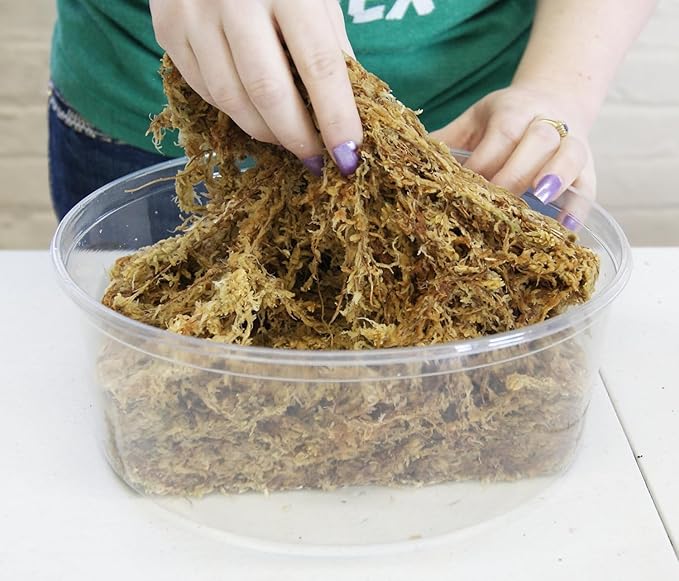
New Zealand sphagnum moss is widely considered a premium. This is so because of its structure and performance. Within that category, Besgrow Spagmoss is one of the most consistent and widely used forms available in the U.S. market.
It is harvested from the wetlands of New Zealand’s South Island. The moss is processed to maintain its natural properties. The result is a moss that holds water well, stays clean, and performs reliably over time.
Why this moss performs differently
This comes down to both species and processing.
- Made from sphagnum cristatum, known for larger, stronger strands
- Hand-picked and air-dried to preserve structure
- Cleaned using both mechanical and manual methods
- Designed to retain water without building up excess salts
It can hold up to 20 times its weight in water, while still releasing that moisture steadily to the roots. This balance is what growers look for.
Classic vs. Premier: What’s the Real Difference?
Both grades are processed the same way. The only real difference is strand length.
| Grade | Strand Length | Best Use Case |
| Classic | ~4 inches | General potting, smaller root systems |
| Premier | ~6 inches | Larger plants, mounts, better airflow setups |
How to choose
- Classic length works well for most orchids. It is easier to handle and packs evenly in smaller pots.
- Premier length is useful when longer strands help create more airflow. This is often preferred for larger plants or mounted setups.
If unsure, Classic is usually the safer starting point. It offers control and consistency.
Why Packing Technique Matters Just as Much
Even the best moss can fail if used incorrectly. This is where many hobbyists get stuck.
The goal is simple. Roots should feel supported, not squeezed.
Think of it like this:
- Too loose → dries too fast
- Too tight → holds too much water
The right balance:
- Lightly packed
- Roots surrounded but not compressed
- Air pockets still present
A simple test helps. Press the moss gently. It should feel springy, not dense.
This small detail makes a big difference over time.
When to Use Moss for Orchid Repotting
Timing matters. Moss is a great choice when:
- Roots are thin or delicate
- The plant is recovering
- The environment is dry
It is also helpful for:
- Young orchids
- Mounted plants transitioning to pots
But here is another real question. “Will moss make watering harder?” At first, yes. It requires observation. But once understood, it becomes predictable.
Step-by-Step: How to Use Sphagnum Moss for Orchids
Getting the right moss is only half the job. How it is used matters just as much. A good setup keeps roots healthy for months.
1. Rehydrate the Moss Properly
Dry moss straight from the bag is too stiff to use. It needs to be softened first.
- Place the moss in clean water
- Let it soak for a few minutes
- Gently squeeze out excess water
The moss should feel damp, not dripping. If water runs out when squeezed, it is too wet.
2. Check Moisture Before Use
This step is often skipped, but it makes a big difference. Pick up a handful and press it lightly.
- If it feels soggy, squeeze again
- If it feels dry, add a little water
The goal is even moisture. Not dry or soaked.
3. Prepare the Orchid Roots
Before placing the plant, take a quick look at the roots. Healthy roots should be:
- Firm to the touch
- Light green when wet
- Silvery when dry
Trim away any roots that are:
- Mushy
- Hollow
- Dark brown
This helps the plant reset and grow better in the new medium.
4. Wrap the Moss Around the Roots
Take small sections of moss and place them around the roots. Do not bundle everything at once. Build it slowly.
- Start near the center of the root mass
- Add moss evenly around all sides
- Keep the natural shape of the roots
5. Get the Packing Tightness Right
Use this simple guide:
| Packing Style | Result |
| Too loose | Dries too fast |
| Too tight | Stays wet, roots suffocate |
| Just right | Holds moisture, keeps airflow |
Press gently. The moss should stay in place but still feel springy. If it feels like a dense ball, loosen it slightly.
6. Place in the Pot Correctly
Choose a pot that allows airflow. Many growers prefer clear pots to monitor roots.
- Place the plant in the center
- Add moss around the sides
- Do not push down too hard
Leave small air spaces. Roots need room to breathe.
7. Check the Plant After Potting
Once everything is in place, take a final look.
Healthy roots in moss should:
- Sit comfortably without being forced
- Have light contact with the moss
- Not be crushed or bent sharply
After watering, roots should turn green and firm. That is a good sign.
What to Watch in the First Few Weeks
This is where many growers start second-guessing. Instead, look for simple signals:
- Moss drying slowly, not staying wet for days
- Roots staying firm, not soft
- New root tips forming over time
If these are happening, the setup is working.
Common Mistakes to Avoid
These show up again and again.
1. Using Low-Quality Moss
Low-quality moss tends to break down quickly over time. As it degrades, it loses structure and compacts. This reduces airflow around the roots. When air cannot move freely, the root zone stays too wet, which increases the risk of rot and weak growth.
2. Packing Too Tight
When moss is packed too tightly, it presses against the roots and removes air pockets. As a result, roots struggle to breathe. Water also stays trapped for longer than it should. Over time, this creates a soggy environment that can damage the roots.
3. Watering on a Schedule
Watering based on a fixed schedule often causes problems. Moss does not dry at the same rate every time. Instead, it should be checked before watering. If it still feels damp, it is better to wait. This helps avoid overwatering and keeps moisture levels balanced.
4. Ignoring Root Condition
Roots tell a clear story about plant health. Healthy roots look firm and green or silvery. Damaged roots appear soft, dark, or mushy. Checking roots regularly helps guide care decisions. It also allows early action before problems become serious.
Final Thoughts
Choosing the right sphagnum moss for orchids is less about brand names and more about understanding the material itself.
When the structure is strong, roots breathe. When the moisture is balanced, roots grow.
When the environment stays clean, orchids thrive.
Everything connects back to the medium. So the next time an orchid struggles, ask a simple question.
Is the growing medium truly supporting the roots?
FAQs
How long does sphagnum moss last?
Sphagnum moss usually lasts 12 to 24 months, depending on quality and care. High-quality moss lasts longer because it breaks down slowly. Over time, it becomes compact and holds too much water. When that happens, it is time to repot to protect the roots.
How do I rehydrate sphagnum moss?
Place dry moss in clean water and let it soak for a few minutes. Then gently squeeze out excess water. The moss should feel damp, not dripping. This step helps restore its natural texture and makes it easier to use around orchid roots.
Can I use sphagnum moss for Phalaenopsis?
Yes, sphagnum moss works well for Phalaenopsis orchids. It helps keep roots evenly moist, which these orchids prefer. It is especially useful in dry homes or for beginners. Just make sure the moss is not packed too tight, so roots can still get air.
What is the pH of sphagnum moss?
Sphagnum moss is naturally acidic, with a pH around 4.5 to 5.5. This range suits orchids because it supports nutrient absorption. Stable pH helps roots stay active and healthy. Good-quality moss tends to maintain this balance for a longer time.
Is New Zealand sphagnum moss worth the price?
Yes, it is often worth the price because it lasts longer and performs better. It has longer strands, better structure, and holds water evenly. This reduces common problems like root rot or dryness. Over time, it can save effort and reduce the need for frequent repotting.
How often should I water orchids in sphagnum moss?
Watering depends on how fast the moss dries. In most homes, it is needed every 5 to 10 days. The moss should feel slightly dry before watering again. Always check by touch instead of following a fixed schedule.
What is Besgrow Spagmoss?
Besgrow Spagmoss is a premium New Zealand sphagnum moss used for orchids and other plants. It is made from sphagnum cristatum, known for long and strong strands. It is carefully harvested and cleaned to maintain quality. This helps provide stable moisture and a clean growing environment.