

Your orchid is probably not dying because you lack skill. Most orchids stop blooming because their roots sit in poor media. Old bark stays wet too long and does not get enough airflow. Once you fix the roots, blooming gets easier.
That surprises many beginners.
People buy healthy orchids from a store. They water it carefully and place it near sunlight. Then the flowers drop. Leaves wrinkle. Roots turn brown. Many assume orchids are hard to grow.
They are not.
Orchids simply grow differently from regular houseplants. The right orchid growing supplies make a huge difference.
At Acadian Supply, the focus is on premium orchid substrates trusted by growers, nurseries, botanical gardens, and serious hobbyists. These products help orchids stay healthy for years, not just months.
If you want your orchid to rebloom instead of ending up in the trash, this guide will help.
Why Orchid Growing Supplies Matter
Orchids are not soil plants. Many grow attached to trees in nature. Their roots stay exposed to moving air and quick rain showers.
Regular potting soil suffocates orchid roots fast.
That is why proper orchid growing supplies matter so much.
Good supplies help:
- Improve airflow
- Prevent root rot
- Balance moisture
- Support reblooming
- Reduce plant stress
Most orchid problems begin below the surface.
1. Orchiata Bark Mix for Healthier Roots
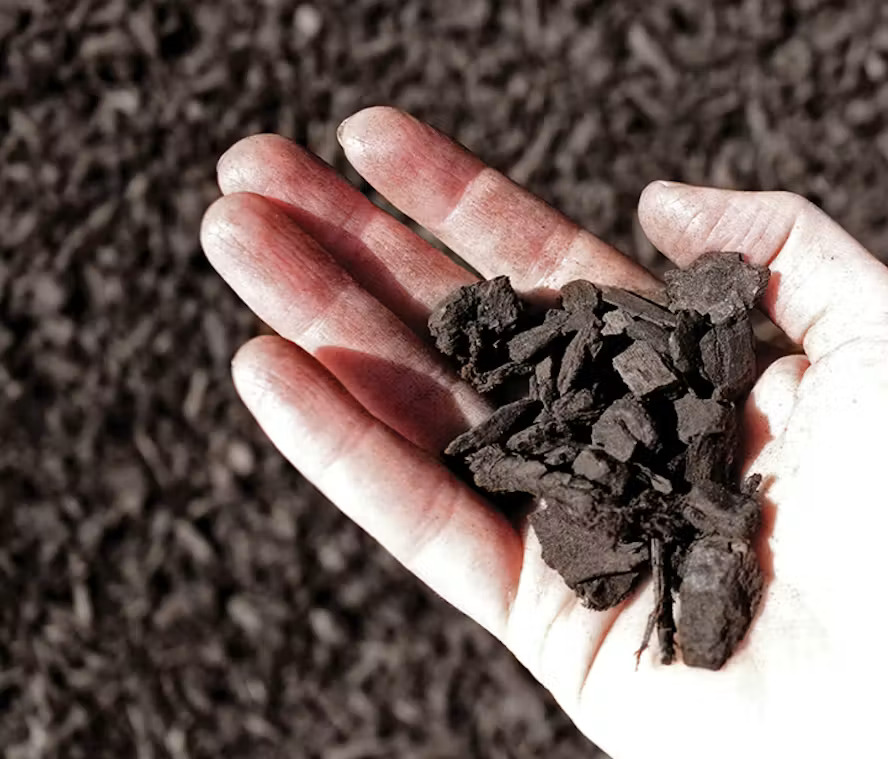
Many experienced growers trust Orchiata.
Orchiata by Acadian Supply is premium New Zealand orchid bark. It lasts much longer than cheap bark mixes. It also keeps airflow stable around the roots.
That matters because orchids hate soggy roots.
Cheap bark breaks down quickly. Air pockets disappear. Roots stay wet too long. Rot starts spreading slowly.
Your orchid may still look green for a while. But blooming slows down over time.
Many growers switch to Orchiata after dealing with:
- Mushy roots
- Weak flower spikes
- Poor drainage
- Constant repotting
- Slow reblooming
Why growers like Orchiata:
- Lasts 2–3 times longer
- Improves airflow
- Helps prevent root rot
- Keeps moisture balanced
- Supports healthier roots
If your orchid looks weak, changing the bark often helps first.
Quality supplies for growing orchids really do matter.
What Healthy Orchid Roots Look Like
Beginners rarely learn this early enough.
Healthy roots are:
- Green after watering
- Silver when dry
- Firm and thick
Unhealthy roots are:
- Brown
- Mushy
- Hollow
- Dry and stringy
Roots tell the real story.
Many orchids decline slowly because old bark damages the roots underneath.
That is why growers care so much about substrate quality.
2. Clear Orchid Pots Improve Airflow
Special orchid pots actually help.
Clear orchid pots let you monitor root health easily. They also allow light around the roots, which many orchids naturally receive.
Good orchid pots should have:
- Drainage holes
- Side airflow
- Lightweight material
- Enough root space
One common mistake is using decorative pots without drainage.
They look nice. But they trap moisture inside.
Many orchids improve after switching to ventilated orchid pots.
Sometimes simple changes work best.
3. New Zealand Sphagnum Moss Helps Moisture Control
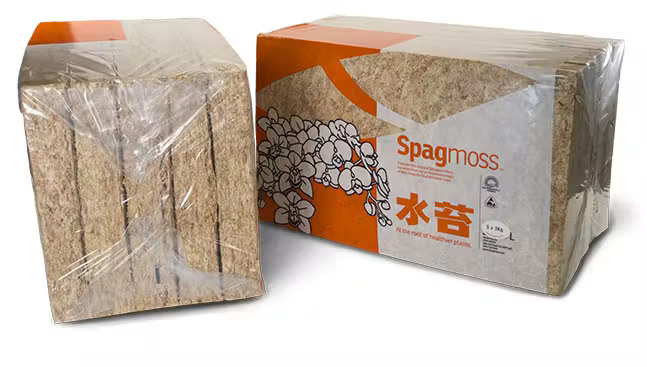
Not all moss performs the same.
Cheap moss often stays unevenly wet. It can also contain debris and break down quickly.
Premium New Zealand sphagnum moss performs much better.
Acadian Supply distributes high-quality Spagmoss because it:
- Holds moisture evenly
- Lasts longer
- Contains fewer contaminants
- Supports healthy roots
This moss works well for:
- Young orchids
- Root recovery
- Mounted orchids
- Seedlings
If roots dry too fast or stay too wet, moss quality may be the problem.
4. Humidity Tools Help Orchids Rebloom
Many homes are too dry for orchids.
This becomes worse during winter when heaters run constantly.
Dry air can cause:
- Wrinkled leaves
- Bud blast
- Dry root tips
- Slow growth
Humidity trays help increase moisture around the plant.
At the same time, airflow still matters.
Orchids like humidity. But they hate stale wet air.
A small fan nearby often helps prevent fungal issues.
One grower explained it perfectly:
“Orchids want humidity around them, not swamp conditions under them.”
That simple idea prevents many mistakes.
5. Orchid Fertilizer and Support Stakes
Orchids need nutrients. But too much fertilizer causes problems fast.
Many beginners overfeed their orchids. That often burns the roots.
Most growers follow the “weakly weekly” method. They use diluted fertilizer once a week during active growth.
Good orchid fertilizer supports:
- Root growth
- Strong leaves
- Flower spikes
- Longer blooms
Support stakes matter too.
Without support, flower spikes can bend or snap.
Good orchid stakes should be:
- Lightweight
- Smooth
- Easy to move
- Water resistant
And honestly, seeing a healthy flower spike covered in blooms feels rewarding after months of care.
Cheap Orchid Mix vs Premium Orchid Substrate
This is where many beginners struggle.
| Cheap Orchid Mix | Premium Orchid Substrate |
| Breaks down fast | Lasts longer |
| Poor airflow | Better ventilation |
| Traps moisture | Balanced moisture |
| Higher root rot risk | Healthier roots |
Cheap mixes cost less upfront. But they often create more problems later.
Premium substrates like Orchiata from Acadian Supply focus on long-term root health.
That difference matters.
Common Orchid Care Mistakes
Most orchid problems come from the same few mistakes.
Common issues include:
- Using regular potting soil
- Overwatering
- Poor airflow
- Old bark
- Dark rooms
- Pots without drainage
Old bark is a hidden problem.
Many growers do not notice bark breaking down until the roots already struggle.
That is why repotting matters.
How Often Should You Repot Orchids?
Most orchids need repotting every 1–2 years.
Signs your orchid needs repotting:
- Sour-smelling bark
- Mushy roots
- Compacted media
- Bark staying wet too long
- Roots growing outside the pot
Repotting feels scary at first. But most growers later realize it is easier than expected.
Fresh bark often improves root health quickly.
Best Supplies for Growing Orchids Indoors
Indoor growers face unique challenges.
Homes often have:
- Dry air
- Low airflow
- Inconsistent light
- Overwatering risks
That is why the best supplies for growing orchids indoors focus on:
- Premium bark
- Clear pots
- Humidity trays
- Good drainage
- Balanced fertilizer
Fancy gadgets rarely matter most.
Experienced growers focus on healthy roots first.
That is one reason serious hobbyists trust Acadian Supply and premium products like Orchiata orchid bark instead of cheap bark mixes.
Because when your orchid finally pushes out a healthy flower spike again, you realize blooming was never really about luck.
It was about giving the roots a better environment from the start.