
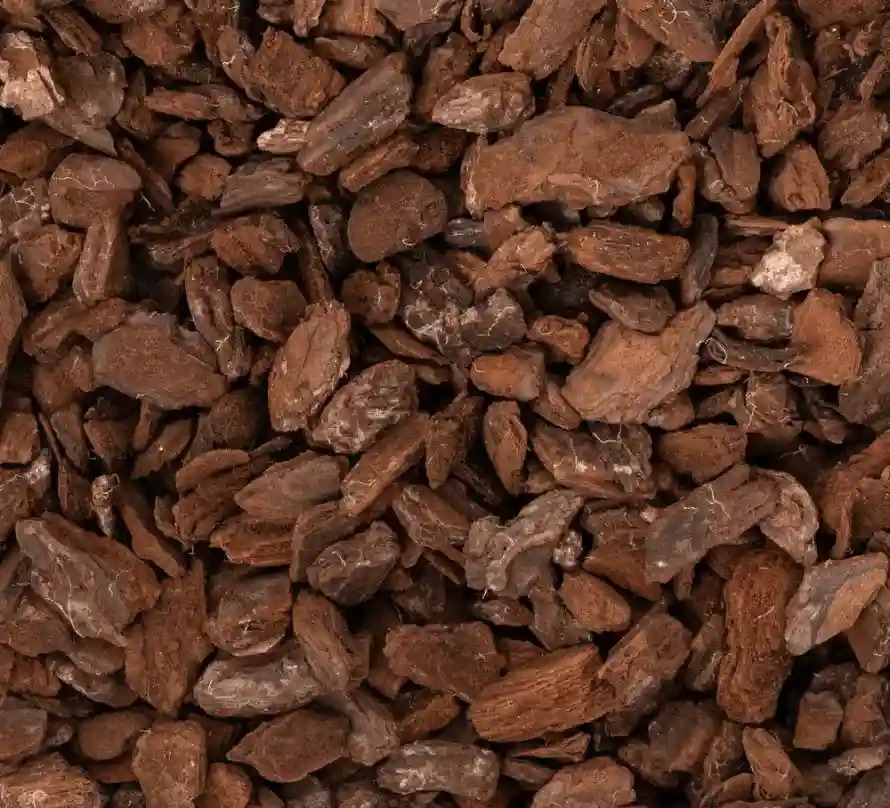
The best pine bark for orchids keeps roots healthy, airy, and dry between waterings. Healthy roots help orchids rebloom faster. They also reduce stress, rot, and weak growth over time.
Many orchid owners think fertilizer is the secret. It helps, of course. But most reblooming problems actually begin inside the pot long before leaves start looking unhealthy.
Old bark slowly breaks apart. Airflow disappears. Moisture stays trapped for too long. Then the orchid struggles quietly beneath the surface.
If you have ever looked at your orchid and thought, “Why won’t this bloom again?” you are not alone. Almost every beginner runs into this problem at some point.
At Acadian Supply, many growers choose premium orchid substrates designed for long-term root health. Products like Orchiata orchid bark are trusted because they stay stable longer and create better airflow around orchid roots.
And honestly, better roots often change everything.
Why Pine Bark for Orchids Works Better Than Soil
Orchids are not like regular houseplants. Most orchids naturally grow attached to trees where their roots stay exposed to moving air and quick rain cycles.
That is why regular potting soil usually causes trouble.
Dense soil traps moisture. Orchid roots suffocate slowly. Root rot spreads faster than most people realize.
Good pine bark for orchids creates the opposite environment. It keeps roots loose, breathable, and balanced between watering cycles.
Healthy bark helps:
- Improve airflow
- Reduce root rot
- Drain excess water
- Support stronger roots
- Prevent compaction
Without airflow, orchids weaken quickly. Sometimes they stop blooming completely.
Why Orchids Stop Reblooming
Many orchids bloom beautifully once after purchase. Then months pass with no flowers at all.
People usually blame light first. Or fertilizer. Sometimes watering too.
But root stress is often the real issue.
Old bark slowly breaks down over time. Water remains trapped longer after each watering. Roots lose oxygen little by little.
The orchid shifts from blooming mode into survival mode.
That change happens slowly. Which makes it hard for beginners to notice early.
Signs your bark may be failing:
- Sour smell
- Mushy bark pieces
- Slow drainage
- Brown roots
- Limp leaves
- Weak flower spikes
One orchid grower once described old bark perfectly:
“It slowly turns into wet compost.”
And honestly, orchids hate that environment.
What Makes the Best Pine Bark for Orchids?
Not all orchid bark is equal.
Cheap bark mixes often contain soft wood, dust, and uneven chunks. They break down faster after repeated watering. That means less airflow and more root stress.
Premium bark lasts much longer.
The best pine bark for orchids should:
- Drain quickly
- Dry evenly
- Resist breakdown
- Keep airflow stable
- Support healthy roots
This is one reason many hobbyists prefer Orchiata from Acadian Supply. It holds structure well and stays airy longer than many low-cost bark blends.
That longer pot life matters more than many beginners realize.
Cheap Orchid Bark vs Premium Pine Bark
| Cheap Bark | Premium Pine Bark |
| Breaks down quickly | Lasts longer |
| Traps excess moisture | Improves airflow |
| Uneven texture | Stable structure |
| Higher root rot risk | Healthier roots |
| Needs frequent repotting | Longer pot life |
At first, premium bark may seem expensive. But replacing stressed orchids costs money too.
That is why many experienced growers eventually switch to higher-quality bark products.
How Pine Bark Helps Orchids Rebloom Faster
Healthy roots support healthy blooms. It really is that simple.
Strong roots absorb moisture better. They also help orchids produce stronger leaves and healthier flower spikes.
Weak roots force the plant to conserve energy instead of blooming.
This is why the best pine bark for orchids often improves reblooming more than fertilizer alone.
Healthy bark supports:
- Better hydration
- Faster recovery
- Stronger flower spikes
- More stable growth
- Longer-lasting blooms
Many orchids begin improving within weeks after repotting into fresh bark.
Best Bark Type for Different Orchids
Bark Type matters too. Many beginners overlook this completely.
Different orchids prefer different moisture levels.
Fine Bark
Fine bark holds more moisture. It works well for:
- young orchids
- dry indoor homes
- smaller orchid varieties
Medium Bark
Medium bark works best for most growers. It balances airflow and moisture nicely.
Great for:
- Phalaenopsis orchids
- beginner setups
- average home conditions
Large Bark
Large bark dries faster and creates maximum airflow.
Best for:
- Cattleyas
- humid climates
- greenhouse environments
Choosing the right bark size often fixes moisture problems without changing anything else.
How to Choose the Right Pine Bark for Your Orchid
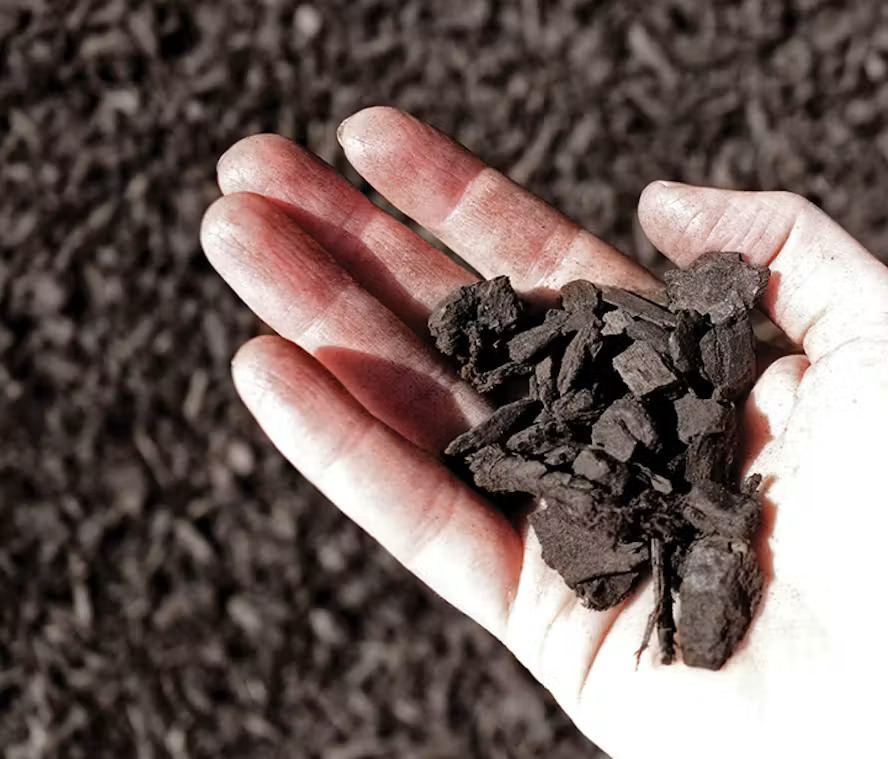
Many beginners buy random orchid mixes online. Then they wonder why the orchid struggles later.
Before buying bark, ask yourself:
- Does my orchid stay wet too long?
- Is the room very dry?
- Are the roots always brown?
- Does the bark smell sour?
- Am I overwatering often?
These small questions matter more than people think.
A dry apartment needs different care than a humid greenhouse. Your growing environment changes everything.
The best pine bark for orchids is the one that solves your plant’s specific problem.
Why Airflow Matters So Much
Most people focus only on watering schedules.
But orchid roots also need oxygen constantly.
Without airflow:
- Roots suffocate
- Fungus spreads faster
- Growth slows down
- Root rot increases
Pine bark helps create tiny air pockets around the roots. Those spaces help orchids breathe naturally.
That may sound dramatic. But orchids truly depend on airflow to survive long term.
Many struggling orchids recover simply because airflow improves after repotting.
Common Pine Bark Orchid Mistakes
Most orchid problems come from a few simple mistakes.
Common issues include:
- Using regular potting soil
- Overwatering constantly
- Ignoring airflow
- Keeping old bark too long
- Using pots without drainage
- Buying low-quality bark mixes
Many beginners blame themselves when the growing setup is actually the problem.
Healthy orchids rarely happen by accident.
What Healthy Orchid Roots Look Like
Healthy roots tell you almost everything about the orchid.
Strong roots are usually:
- Green after watering
- Silver when dry
- Thick and firm
- Smooth and plump
Weak roots often look:
- Brown
- Mushy
- Hollow
- Dry and papery
Many beginners panic when roots turn silver. But silver roots are completely normal when dry.
Brown mushy roots are the real warning sign.
Once you learn how to read orchid roots, orchid care becomes much less confusing.
How Often Should Orchids Be Repotted?
Most orchids need repotting every:
- 1–2 years indoors
- sooner if bark smells sour
- sooner if drainage slows down
- sooner if roots overcrowd the pot
One mistake beginners make is waiting too long.
By the time leaves wrinkle badly, root damage is often advanced.
Fresh bark earlier usually prevents much bigger problems later.
That is one reason many growers continue trusting Acadian Supply and products like Orchiata orchid bark for long-term orchid care.
Because once your orchid finally grows fresh green roots and sends out a healthy flower spike again, you realize something important.
Most orchids are not difficult plants.
They simply need the right environment beneath the surface.
FAQs
- Is pine bark good for orchids?
Yes. Pine bark improves airflow and drainage around orchid roots.
- How long does orchid bark last?
Most orchid bark lasts about 1–2 years before repotting is needed.
- Why are my orchid roots turning brown?
Brown roots usually mean rot, trapped moisture, or old bark.
- Can orchids grow in bark only?
Yes. Many orchids grow very well in bark-based mixes.
- Does premium orchid bark really help?
Yes. Premium bark stays stable longer and supports healthier roots.
- What is the best pine bark for orchids?
Many growers trust Orchiata orchid bark because it stays airy and durable longer.
- Why is my orchid not blooming again?
Weak roots, poor airflow, and broken-down bark are common reasons.