
If your Alocasia leaves are turning yellow, the problem is usually not the leaf. It starts below the soil.
Most yellowing issues come from roots that stay too wet, dry out too often, or struggle to breathe. The good news is that Alocasias are surprisingly forgiving once you fix the environment around the roots.
We’ve seen people replace fertilizers, buy grow lights, and try every plant hack online. Then they switch the potting mix and the plant suddenly starts growing again. That tells you something. The roots were asking for help all along.
Why Yellow Leaves Happen in the First Place
One yellow leaf is not always bad news. Alocasias naturally shed older leaves as they grow. A mature plant might lose a leaf while pushing out a new one. That’s normal.
The trouble starts when several leaves yellow at once.
Or when the newest growth starts looking weak. That usually points to a care issue.
Common causes include:
- Heavy soil
- Overwatering
- Poor drainage
- Low humidity
- Weak root systems
- Sudden temperature swings
- Lack of light
Most of these problems connect back to the root zone. That is where we start.
1. Stop Using Dense Soil
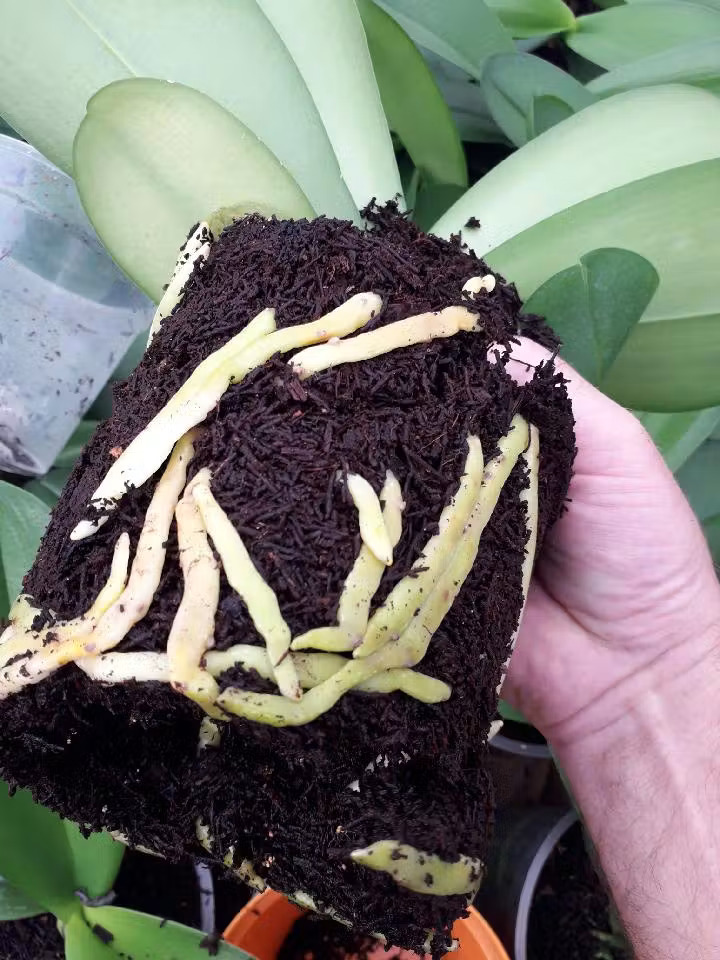
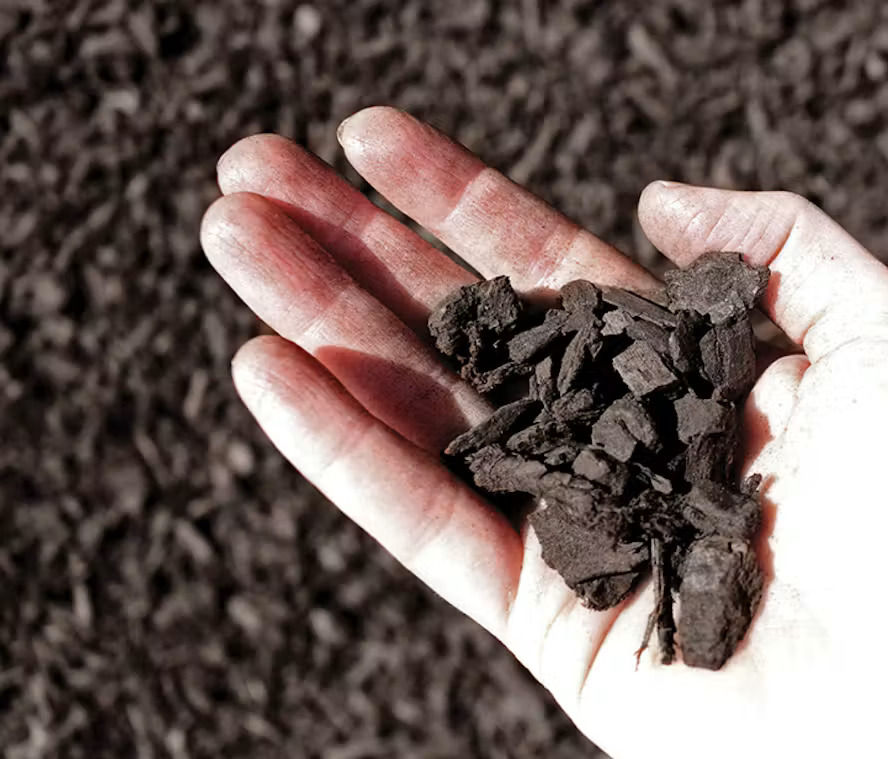
This is the mistake we see most often. People treat an Alocasia like a pothos. They grab a bag of regular potting soil and call it done. The plant survives for a while. Then the leaves start yellowing. Alocasias grow best in loose, airy mixes. Their roots need oxygen just as much as they need water. When soil stays packed and wet, roots struggle. And struggling roots create yellow leaves.
2. Improve Drainage Before You Water Again
Many growers assume yellow leaves mean the plant is thirsty.
Sometimes the exact opposite is true. The pot may still be holding water from the last watering. Before adding more water, check the mix first. Stick a finger several inches down. Lift the pot. Feel the weight. A heavy pot often means plenty of moisture remains. Watering an already wet root system rarely ends well.
3. Use Tree Fern for Better Airflow
This is one reason experienced aroid growers love tree fern fiber. It holds moisture without becoming dense. Roots stay moist but still get airflow. That balance is difficult to achieve with ordinary potting soil.
Many collectors add premium tree fern from Acadian Supply to their mixes because it creates a stable environment around the roots.
The structure lasts a long time too. That matters more than people think. As organic materials break down, airflow decreases. Tree fern helps slow that process.
You can learn more about Fernwood Tree Fern through Acadian Supply‘s retailer network if you’re building a premium aroid mix.
4. Check the Roots Before Guessing
Yellow leaves create panic. The first reaction is usually to change everything. More fertilizer, more water, and more light. Instead, look at the roots. Healthy roots are firm and light-colored.
Damaged roots often appear:
- Brown
- Mushy
- Hollow
- Soft
- Foul smelling
The roots tell the real story. The leaves are simply reporting the problem.
5. Raise Humidity Slowly
Alocasias love humidity. Most homes don’t. Dry indoor air often causes stress long before people notice. The leaf edges become crispy.
Growth slows down. New leaves emerge smaller. Then yellowing begins. You do not need to turn your living room into a rainforest. Even small improvements help. A humidifier often works better than constant misting. Many growers see noticeable improvement once humidity reaches 50% to 60%.
6. Give Your Alocasia More Light
Not direct summer sun. Bright indirect light. There is a difference. Too little light slows growth.
Slower growth means the roots use less water. Then the mix stays wet longer. Then root problems begin. It is a chain reaction.
A spot near a bright window usually works well. If growth is weak and leaves remain small, light is worth investigating.
7. Build Better Alocasia Care in Pots
Many plant owners focus on the plant. The container matters too. Good Alocasia care in pots starts with drainage. Without drainage holes, excess water has nowhere to go. Even a perfect soil mix struggles inside the wrong pot. Look for containers that allow water to leave quickly. Your roots will thank you later.
8. Feed Less Than You Think
This surprises people. Yellow leaves often convince growers to add more fertilizer. That can make things worse. Roots under stress cannot process nutrients efficiently. Extra fertilizer may cause salt buildup. The plant becomes even more stressed. Fix root health first. Feed later. Healthy roots solve many problems on their own.
9. Refresh Old Potting Mix
Potting media changes over time. Even premium mixes eventually break down. Particles become smaller. Air pockets disappear.Water retention increases.
The plant may suddenly struggle despite receiving the same care. If your mix is more than two years old, it may be time for a refresh. Many serious growers rebuild their aroid mixes using high-quality ingredients like the tree fern from Acadian Supply because the structure lasts longer than standard alternatives. That extra durability can make a noticeable difference.
10. Watch New Growth Closely
Old leaves tell you what happened. New leaves tell you what is happening. That distinction matters. A damaged older leaf may never recover.
Don’t obsess over it. Instead, look at the newest leaf.
Is it larger?
Stronger?
More upright?
That’s where progress shows up first. A healthy new leaf often means you’re moving in the right direction.
11. Be Patient After Making Changes
This might be the hardest tip. Alocasias don’t fix themselves overnight. You improve the roots today. The plant responds weeks later. That delay tricks people into making more changes.
Suddenly the plant is dealing with five different adjustments at once. When you make a smart change, give it time. Plants need consistency more than constant intervention.
What Strong Roots Usually Need
When growers ask us about yellow leaves, the answer often comes back to the same few basics.
Strong roots usually need:
- Airflow
- Consistent moisture
- Good drainage
- Bright indirect light
- Stable temperatures
- Quality growing media
That is it. No secret formula or magic fertilizer. Just a healthy environment below the surface.
Many hobbyists discover that once they improve their root zone with premium ingredients and better drainage, yellow leaves become far less common.
That is one reason Acadian Supply continues to be trusted by growers looking for professional-grade substrates used throughout the horticulture industry. The question isn’t whether your Alocasia can recover. The better question is this:
What are the roots trying to tell you right now?
FAQs
- Why are my Alocasia leaves turning yellow?
Most often, it’s caused by overwatering, poor drainage, or stressed roots. - Can a yellow Alocasia leaf turn green again?
Usually no. Focus on healthy new growth instead. - How often should I water an Alocasia?
Water when the top part of the mix feels slightly dry. Avoid keeping the soil constantly wet. - What is the best soil mix for Alocasia?
A chunky, well-draining mix with ingredients that improve airflow around the roots works best. - Does humidity help prevent yellow leaves?
Yes. Alocasias prefer moderate to high humidity and often struggle in very dry air.