
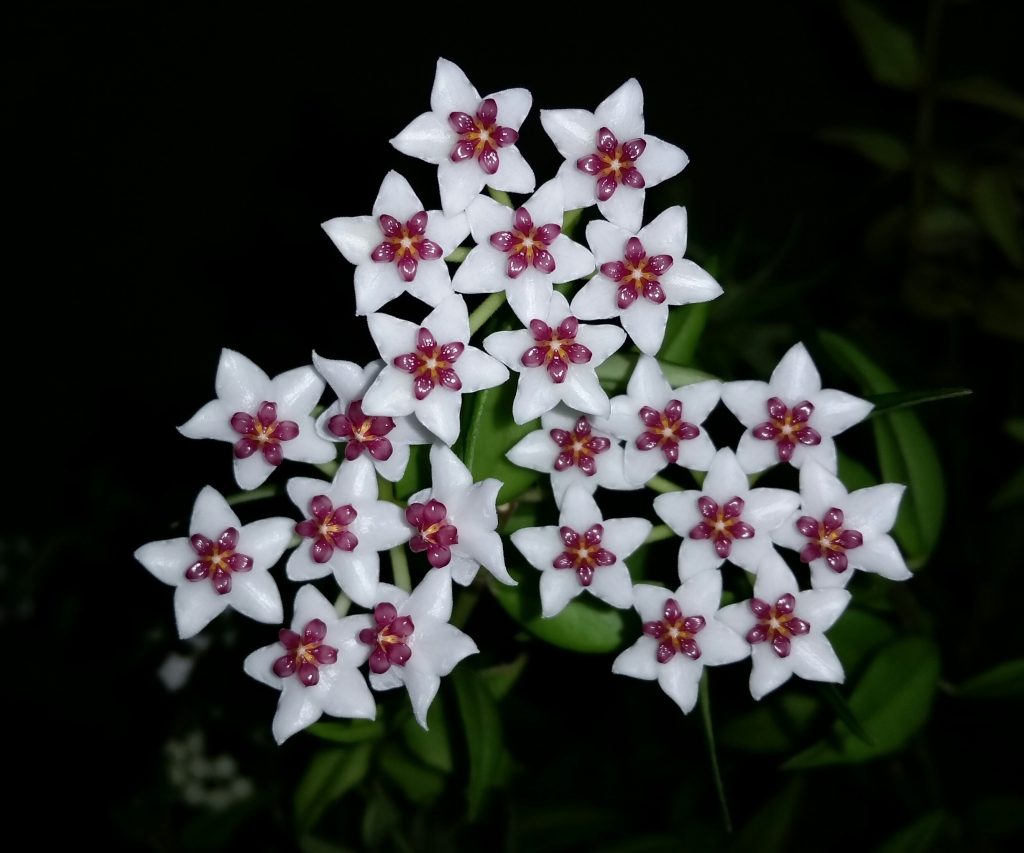
Hoyas have a loyal fan base, and once you grow one, you understand why. Their thick, waxy leaves stay glossy for years. Their star-shaped flowers smell sweet at night. But healthy blooms start below the soil line. A poor potting mix is the fastest way to stall a Hoya’s growth. Get the mix right, and roots reward you with strong vines and steady flowers.
Why Hoyas Need a Different Kind of Mix
There are two main reasons for this.
Hoya’s Roots Grew Up in the Trees
In their natural habitat, Hoyas grow as epiphytes. That means they cling to tree bark and branches, not soil. Their roots wrap around rough surfaces and pull moisture from humid air. Rain hits them, then drains away fast. Standard potting soil recreates almost none of this. It holds water for too long. Roots built for airflow end up sitting in dense, wet soil instead.
Dense Soil Is a Hoya’s Enemy
Regular potting soil packs tightly around roots over time. That density blocks oxygen from reaching the root zone. Hoya roots need to breathe as much as they need water. When airflow disappears, root rot follows close behind. A well-built mix solves this by staying loose, chunky, and quick to drain.
The Core Ingredients for a Strong Hoya Mix
Here’s what constitutes an effective hoya potting mix.
Orchid Bark as the Foundation
Bark should make up roughly half of any solid Hoya mix. It creates air pockets throughout the pot and lets excess water pass through quickly. Since Hoyas are epiphytes by nature, bark simply feels like home to their roots. Orchiata orchid bark, made from New Zealand pinus radiata, works especially well here. It holds its structure far longer than standard bark. Thus, your mix keeps performing between repottings instead of breaking down within months.
Chunk size matters too. Larger pieces of Orchiata create a chunkier, airier mix. Smaller pieces pack a bit tighter and hold slightly more moisture. Many growers land somewhere in the middle, blending small and medium bark sizes for balanced drainage.
Coco Coir for Moisture Balance
Coco coir brings water retention into the mix without turning it dense or heavy. It swells significantly once hydrated. That’s why you must soak it separately before blending it in. A common ratio uses coco coir at about 20% of the total mix. This keeps roots from drying out too fast between water sessions, especially in summers.
Perlite for Extra Aeration
Perlite is light and airy. By itself, it does not hold water. What it does is that it forms small gaps throughout the mix. This allows air to circulate properly. Just 20% perlite can stop the mix from compacting when it settles in due time. It is a simple way to keep a bark-based blend from becoming too dense.
Horticultural Charcoal for Freshness
A small amount of horticultural charcoal, around 5%, goes a long way. It absorbs excess moisture and helps neutralize odors that can build up in a damp potting mix. Always choose charcoal labeled specifically for horticultural use. Do not use the kind meant for grilling.
Worm Castings for Gentle Nutrition
Worm castings act as a mild, slow-release fertilizer. Adding around 5% of it feeds roots gradually without the risk of chemical burn. This ingredient is optional. Growers who prefer a purely mineral-based mix can skip it entirely without harming the blend’s structure.
A Sample Hoya Potting Mix Recipe
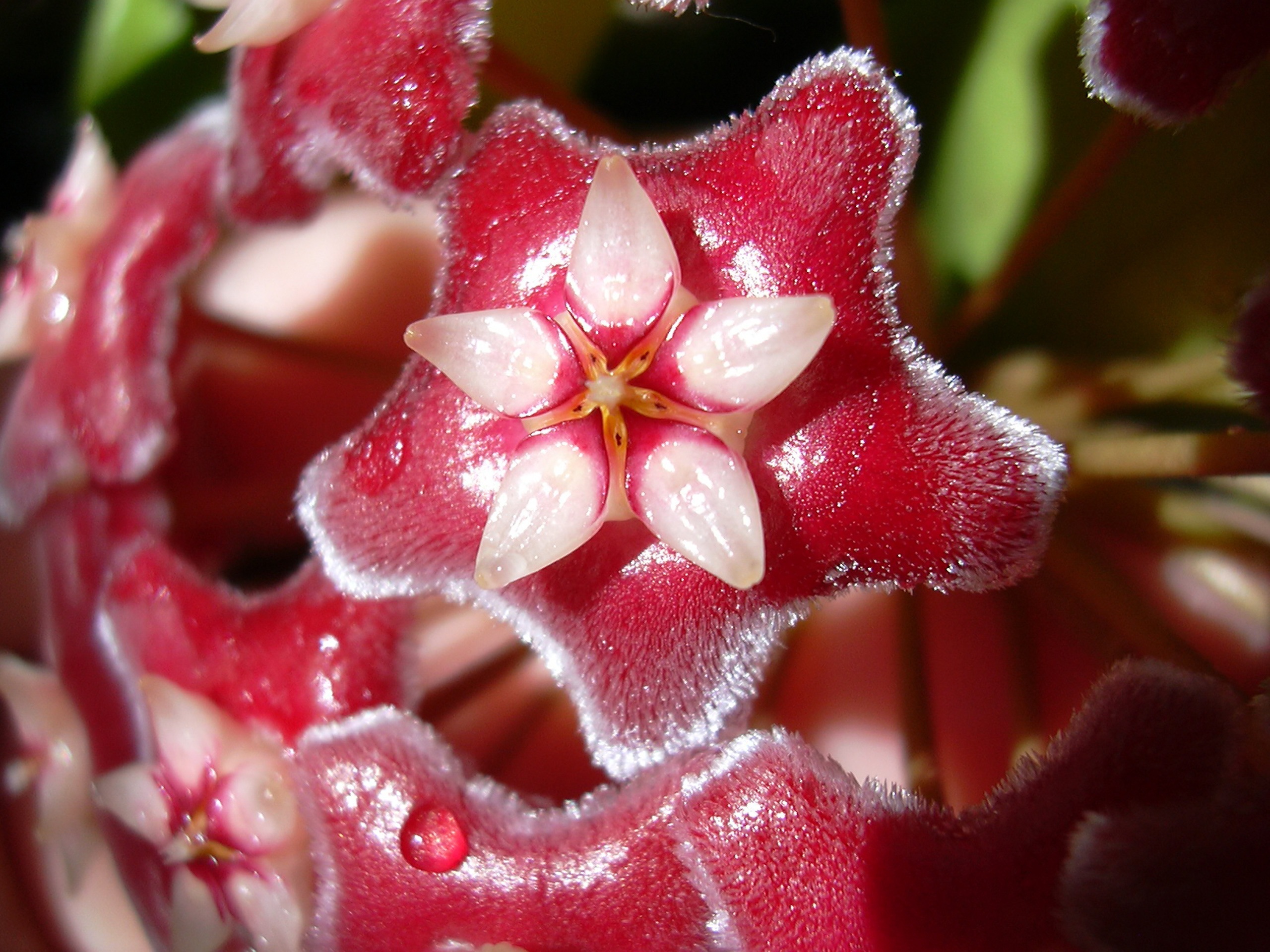
Here is a reliable starting ratio many experienced Hoya growers rely on:
- 50 percent Orchiata orchid bark
- 20 percent coco coir
- 20 percent perlite
- 5 percent horticultural charcoal
- 5 percent worm castings
This blend gives roots plenty of air, holds just enough moisture, and drains fast after watering. Some growers push bark up to 60 percent for an even chunkier mix. Both versions work well. The right ratio often comes down to your home’s humidity and how often you like to water.
An Alternative: The Three-Part Blend
Not every grower wants to source five separate ingredients. A simpler option combines equal parts of an organic cactus mix, an orchid mix, and perlite. This blend still delivers the airflow Hoyas need, while requiring less prep work upfront. It suits those who want a dependable, low-fuss mix without measuring out several small quantities.
Whichever recipe you choose, the underlying goal stays the same. Roots need space to breathe and water that drains quickly. It needs a structure that resists compacting for as long as possible.
Light, Water, and Repotting Basics
Light Requirements
Hoyas want bright, indirect light. Direct afternoon sun can scorch their thick leaves despite their waxy, almost succulent-like appearance. In lower light, a Hoya will survive but rarely bloom. A spot near an east or west-facing window usually works well.
Watering Habits
Water thoroughly, then let the top layer of the mix dry out before watering again. Room-temperature water is gentler on roots than cold tap water straight from the faucet. Growth slows down considerably in fall and winter. During those months, water sparingly, giving just enough to keep the mix from drying out completely. Overwatering during dormancy causes flower and bud drop.
Humidity and Temperature
As tropical natives, Hoyas appreciate humidity, especially indoors during winter. A humidifier nearby helps. A tray with gravel and water placed beneath the pot is also helpful. Keep room temperatures above 60 degrees Fahrenheit year-round. Avoid placing pots against cold windowpanes or near heating and cooling vents. Sudden temperature swings stress the plant.
When to Repot
Hoyas actually prefer being slightly pot-bound. Crowded roots do not bother them the way they bother many other houseplants. Most Hoyas only need repotting every two to three years. When you do repot, it is the perfect opportunity to refresh the bark-based mix. This is because even durable ingredients like Orchiata benefit from a periodic top-up as older material settles and compacts slightly with time.
Common Mistakes That Hurt Hoya Roots
Avoid these common mistakes:
- Using straight potting soil: It holds water too long and suffocates epiphytic roots within weeks.
- Skipping the bark entirely: Without a bark base, the mix loses the airflow that makes Hoyas thrive in the first place.
- Watering on a fixed schedule: Hoyas need less water in cooler months. Always check the mix before adding more.
- Repotting too often: Constant root disturbance stresses the plant and can delay flowering for a full season.
- Choosing low-grade bark: Bark that breaks down fast turns mushy, blocks airflow, and defeats the purpose of the mix in the first place.
Roots That Breathe, Blooms That Follow
A great Hoya potting mix comes down to one simple principle. Give the roots what they had in the wild. Chunky bark, a touch of moisture-holding coir, and enough air pockets to keep everything breathing. Durable bark like Orchiata keeps that structure intact far longer than standard blends, saving you from constant repotting. Pair a solid mix with bright light, careful watering, and a little patience. Your Hoya will reward you with the thick, healthy vines and fragrant blooms it is known for.
FAQs
What is the best potting mix for Hoya plants?
A bark-based mix works best. Combine orchid bark, coco coir, perlite, and a little charcoal. This blend drains fast and still holds moisture. Roots get air and hydration together. Orchiata bark adds lasting structure to the mix.
Do Hoyas like deep or shallow pots?
Hoyas prefer shallow, snug pots over deep ones. Their roots like being slightly crowded. A pot too large holds excess moisture. That raises the risk of root rot. Choose a pot close to the root ball’s size.
What kind of soil should I use for Hoya?
Skip regular potting soil entirely. It stays too wet for epiphytic roots. Use a chunky, bark-based mix instead. Orchid bark, perlite, and coco coir work well together. This mimics the airy conditions Hoyas enjoy in nature.
Can I use cactus soil for Hoyas?
Yes, but not on its own. Mix cactus soil with orchid mix and perlite in equal parts. This adds the drainage and airflow Hoyas need. Straight cactus soil alone can still hold too much water.