
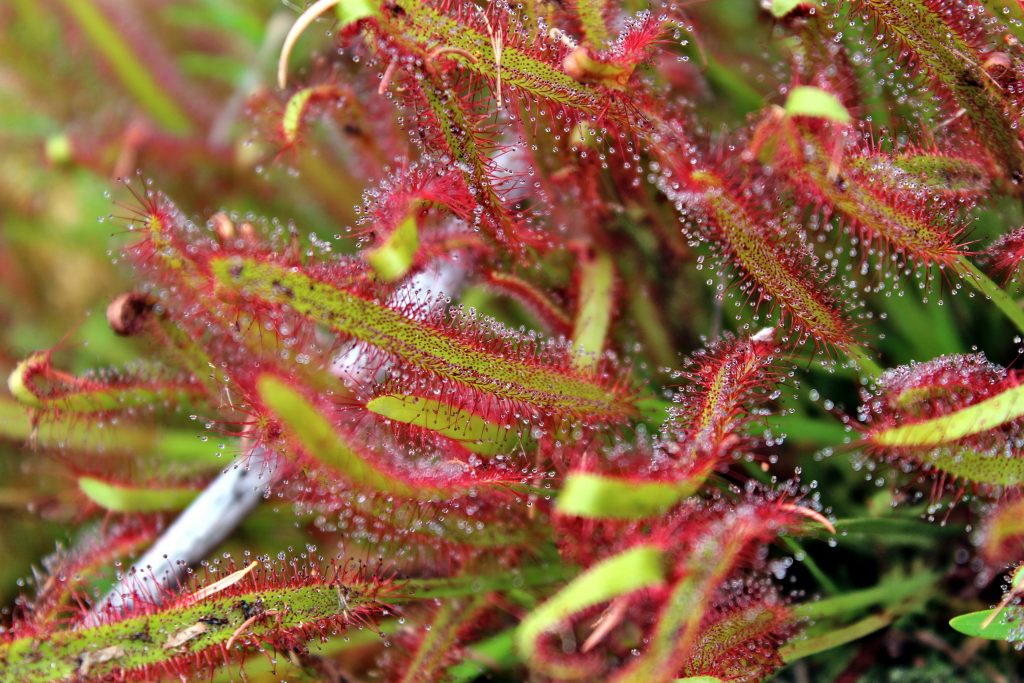
Sundews look fragile. Their leaves shine with small dew drops. However, this outward appearance is deceiving. These plants are way tougher than they look on the surface. To grow and thrive, they need the right amount of water, light, and soil. Here’s everything you need to know for healthy sundew care indoors and outdoors.
Understanding Sundews Before You Start
What Makes Sundews Carnivorous
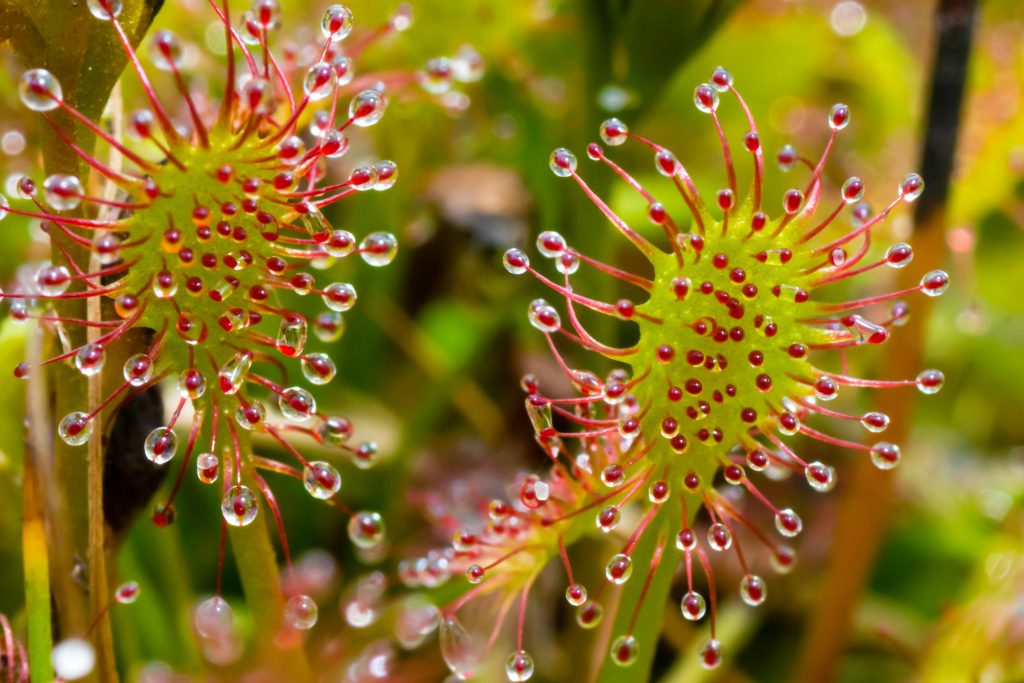
Sundews trap insects using sticky droplets on their leaves. These droplets, called mucilage, glisten in the light. Once an insect lands, the leaf slowly curls around it. Digestive enzymes then break the insect down. This process lets sundews survive in nutrient-poor bogs. Regular potting soil actually works against them.
Common Sundew Types
There are over 170 species of Drosera worldwide. Cape Sundew is the most popular starting point for beginners. This species, Drosera capensis, grows sturdy and forgives minor care mistakes. Drosera rotundifolia has round leaves and a shorter lifespan. Drosera adelae prefers shade and stays compact. Knowing different sundew types helps you fine-tune light and water needs later on.
Choosing a Growing Medium for Sundews
Why Standard Potting Soil Fails
Sundews grow naturally in nutrient-poor, acidic bogs. Standard potting soil contains fertilizers and minerals. Those additions can burn sensitive sundew roots quickly. A proper sundew soil mix avoids all added nutrients entirely. It should stay acidic, low in minerals, and consistently damp.
The Standard Peat-Based Recipe
Most growers rely on a simple two-part mix. Combine one part peat moss with one part sand or perlite. This blend holds water well without becoming too dense. Some growers lean heavier on peat for extra moisture retention. Others prefer a sandier mix that drains a bit faster.
Can You Use Sphagnum Moss for Sundews?
Some growers skip peat entirely and use live or dried sphagnum moss instead. This works especially well for species that like extra moisture around their roots. New Zealand sphagnum moss can offer strong moisture retention for sundews. Its long fibers also help create an open, breathable growing medium.
One carnivorous plant grower learned this the hard way. Describing their experience in Sundew Care, they say that after watching a prized Drosera capensis struggle, the culprit turned out to be poor-quality moss. It compacted too quickly and held mineral-rich water. Once the roots sat in that dense, mineral-heavy mix, the plant declined fast. The leaf tips curled inward within days.
A side-by-side comparison told the real story. Long-fiber moss stayed fluffy and open, even after repeated watering. A shorter-fiber alternative clumped into dense patches almost immediately. Within days, that shorter-fiber moss developed a slimy surface film. It was a sign of poor oxygen flow. The plant potted in long-fiber moss produced new leaves quickly. The other one barely grew and showed early signs of root browning.
This is where quality moss makes a real difference. Spagmoss, sourced from New Zealand’s South Island wetlands, is renowned for naturally long, sturdy strands of the species Sphagnum cristatum. It holds close to 20 times its own weight in water. Thus, it gives sundew roots steady access to moisture. Those long fibers also stay loose rather than compacting into a dense, airless clump. That structure is important, since sundew roots need oxygen as much as moisture. Spagmoss also naturally contains tropolein. The compound slows bacterial and fungal growth around the root zone.
Whichever medium you choose, always rehydrate it properly before potting. Pour hot water over dried moss to soften it and kill any lingering spores. Let it cool, then gently squeeze out the excess moisture. Fluff the fibers apart by hand to keep the texture loose and airy.
Light Requirements for Healthy Sundews
Finding the Right Balance
Sundews want strong light, whether grown indoors or outside. Full sun works well for most species, especially Cape sundews. A few varieties, like Drosera adelae, prefer indirect or filtered light instead. More light typically produces smaller plants with deeper red coloring. Less light produces bigger, paler leaves with less dramatic color.
Sundew Care Indoors
To care for sundews indoors, you must find a bright, sunny windowsill. South-facing windows tend to work best in most homes. If natural light seems weak, supplement with a grow light. Aim for at least twelve hours of light daily during active growth. Watch your plant’s color and size to judge if light levels need adjusting.
Growing Sundews Outdoors
Outdoor growers can place sundews in full sun with ease. Just introduce them gradually to avoid sudden leaf scorch. A partly shaded spot works during the hottest part of summer. Most sundews handle typical room temperatures between 60 and 75 degrees Fahrenheit. A few species tolerate much warmer or cooler ranges.
Sundew Care: Watering Essentials
Why Water Quality Matters So Much
Sundew watering should follow one firm rule. Always use mineral-free water. Distilled water, reverse osmosis water, or clean rainwater all work well. Tap water often contains dissolved minerals that damage sensitive sundew roots. Even a few days of tap water can cause visible leaf tip burn.
The Tray Method
Most growers rely on the tray method for consistent moisture. Place the potted sundew in a shallow tray or saucer. Keep about half an inch to one inch of water in it. Refill the tray as needed, and never let it run dry. This method keeps the soil evenly moist without daily watering.
Signs of Watering Problems
Sagging leaves tell you that the plant is excessively dried out. A sour smell indicates root rot. Water that stays in a pot without drainage holes can cause similar issues. Always use pots with working drainage holes to prevent water accumulation.
Humidity and Feeding
Getting Humidity Right
Sundew requires moisture levels between 40 and 60%. When growing them indoors, use a nearby water tray to up the humidity level. Grouping plants together also increases moisture levels around the foliage. For sundew types that consistently need more moisture, terrariums work perfectly.
Do Sundews Need Fertilizer?
Sundews get most of their nutrients from trapped insects. Adding fertilizer to the soil can actually harm the plant. Skip soil fertilizers entirely and let the plant catch its own food. Indoor sundews with few available insects benefit from occasional supplemental feeding. Small, wingless fruit flies work well for this purpose.
Propagating Sundews from Seeds and Cuttings
Growing from Sundew Seeds
Sundew seeds are some of the smallest seeds in the world. Collect them by gently shaking a mature flower stalk over a dish. Some species need a cold, damp storage period called stratification. This process typically lasts three to four months before seeds will germinate. Germination itself can take anywhere from a few weeks to months.
Propagating from Leaf Cuttings
Leaf cuttings offer a faster, more reliable propagation method. Tear a leaf away from the stem with a small section attached. Float the leaf in clean, mineral-free water for several weeks. Small plantlets will eventually form along the leaf’s edges. Once rooted, transplant these young sundews into their own containers.
Repotting and Ongoing Maintenance
When to Repot
Repot once you notice your sundew outgrowing its current container. Choose a new pot roughly two inches larger than the last one. Gently remove the plant and trim away any unhealthy roots. Then repot. Water thoroughly afterward and keep the plant in partial shade briefly.
Pests and Common Problems
Aphids and fungus gnats occasionally target sundew plants. Rinse affected areas with distilled water, or apply diluted neem oil. Root rot and botrytis can develop in overly stagnant, wet conditions. Improving airflow around the plant often helps prevent both issues.
Dewy Leaves, Steady Care
Sundew care comes down to a few consistent habits. Clean water, strong light, and an open, mineral-free growing medium keep them thriving. A quality moss or peat-based mix gives their roots the moisture and air they need without the risk of rot. Pay attention to your specific species and adjust light and humidity as needed. This will enable your sundew to produce fresh, dew-covered leaves every season.
FAQs
Are sundews easy to take care of?
Sundews are relatively easy once you understand their basic needs. They require mineral-free water, strong light, and nutrient-free soil. Most struggles come from tap water or fertilized soil, not the plant’s difficulty. With the right setup, sundews are quite forgiving for beginners.
Do sundews need to sit in water?
Yes, most sundews thrive using the tray method. Keep about half an inch of water in a shallow tray beneath the pot. This keeps the soil evenly moist between waterings. Just make sure the pot itself still has proper drainage holes.
How long do sundews take to grow?
Growth speed varies by species and propagation method. Leaf cuttings typically produce visible plantlets within two to eight weeks. Seeds take longer, often needing months for stratification and germination combined. Mature, flowering plants can take a full year or more to develop.
Do sundew plants need full sun?
Most sundew species prefer full sun or very bright indirect light. Strong light produces the deep red coloring many growers want. A few shade-loving species, like Drosera adelae, prefer filtered light instead. Match the light level to your specific sundew type for best results.