
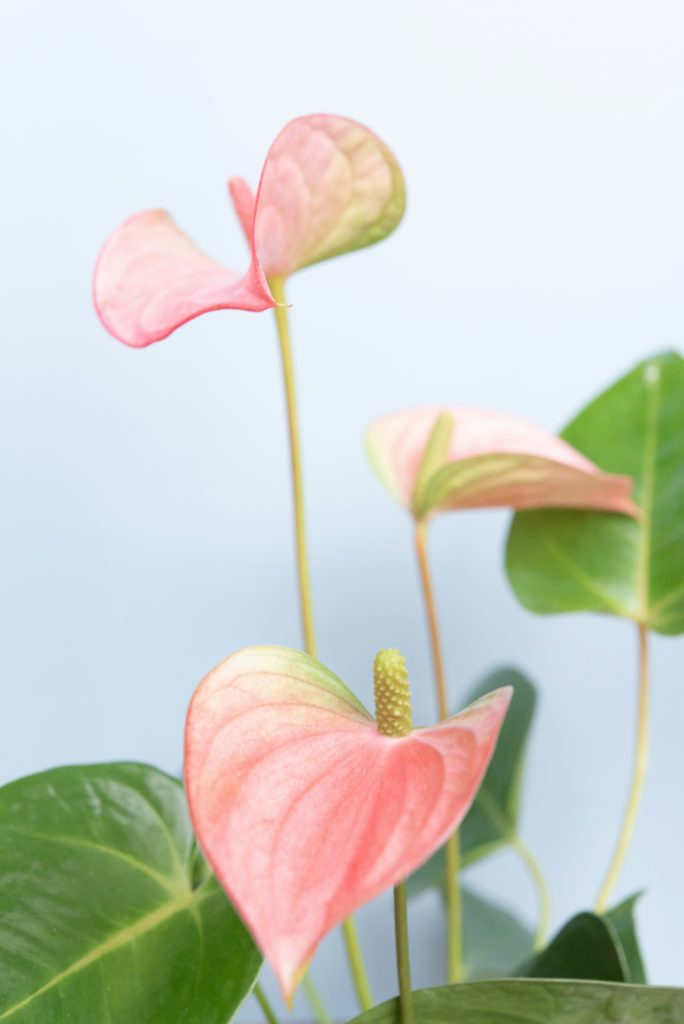
A good homemade Anthurium potting mix combines bark, perlite, and a moisture-holding material like coco coir or sphagnum moss, in roughly a 4-2-2 ratio. This mix is kept slightly acidic and never packed tight.
What Do Anthurium Roots Actually Need?
Anthuriums grow as epiphytes in the wild. Their roots wrap around tree bark and leaf litter, not dense soil. The air moves freely around them there. Water drains fast after rain. Regular potting soil recreates none of this. It holds too much moisture and blocks airflow. A proper Anthurium mix has to solve that mismatch directly.
What Is the Best Potting Mix For an Anthurium Plant?
A good Anthurium mix balances four things at once.
- It needs to hold light moisture without staying soggy.
- It needs to drain quickly after every watering.
- It needs open space for air to reach the roots.
- It needs a loose, chunky structure rather than dense clumps.
A slightly acidic pH, somewhere around 5.5 to 6.5, also supports healthy nutrient uptake.
Why Add Orchid Bark to an Anthurium Potting Mix?
Orchid bark is one of the most common ways to hit that balance. Its chunky pieces create larger air spaces between particles. Those gaps let excess water drain through quickly. They also give the whole mix a more open, breathable structure. This is precisely the kind of environment Anthurium roots evolved to grow in.
Using Orchiata in an Anthurium Potting Mix
Orchiata is a premium New Zealand pine bark that can serve as the bark component in an Anthurium potting mix. Its consistent chip size creates an open structure around the roots. Its aged bark can hold and release water and nutrients as needed. Orchiata is a stable, long-lasting growing medium. Rather than breaking down quickly like standard bark, it holds its structure over time.
This matters specifically for Anthuriums. These plants need moisture, but their roots also need steady access to air. A chunky bark component helps strike that balance between water retention and aeration.
Instead of composting the bark the way many other brands do, Orchiata goes through an aging process instead. Composting softens both the inner and outer bark. This is why standard bark breaks down fast. Aging only conditions the outer surface, so the core stays firm for years.
Which Orchiata Size Should You Use?
Orchiata is available at several grades. It ranges from Precision at about one-eighth to one-quarter inch up to Super at three-quarters to one inch. There isn’t one grade that works best for every Anthurium.
Smaller chip sizes, like Precision, suit smaller pots and finer root systems. Larger grades create bigger air pockets and drain faster. This suits bigger plants in bigger containers. Your specific Anthurium’s root size, pot size, and how quickly you want the mix to dry should guide your choice. Growers in humid climates often lean toward larger chips for extra airflow. Those in drier climates may prefer a smaller size that holds moisture a bit longer.
How to Make an Anthurium Potting Mix
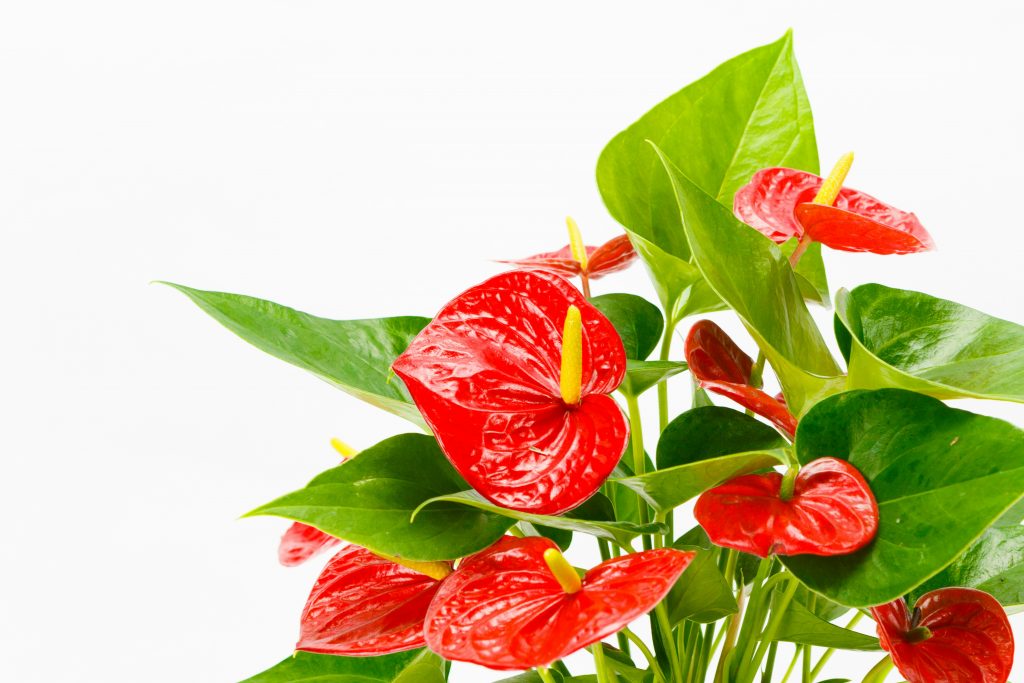
Orchiata works as one component of a full Anthurium mix, not as the entire mix on its own.
The Core Ingredients
- Orchiata bark: It forms the backbone of the mix. It supplies structure, drainage, and long-term durability.
- Perlite or pumice: It adds extra aeration. These lightweight, porous materials create small channels for air and water to move through. This flushes out excess salts and fertilizer buildup.
- Coco coir chips: They add moisture retention without turning the mix dense. Chunky coir chips hold water for a few days while allowing airflow.
- Sphagnum moss: It works as another moisture-holding option. It suits growers who want a slightly more water-retentive mix.
- Peat-free potting mix: It can round out the blend in small amounts. It adds a bit of bulk and organic content without dominating the structure like straight garden soil would.
A Sample Anthurium Potting Mix Recipe
A widely used Anthurium potting mix ratio looks like this:
- Four parts Orchiata bark
- Two parts perlite
- Two parts coco coir chips
- One part pumice
This blend keeps the mix airy, well-draining, and just moist enough between waterings.
An Orchid-Bark Shortcut Recipe
If you already have orchid bark on hand, a simpler recipe works too. Combine two parts orchid bark mix with one part quality indoor potting mix. Add one part perlite or pumice for extra drainage. This creates a lighter, more open blend than standard potting soil alone. But it leans drier than the bark-forward recipe above.
Mixing Steps
Measure each ingredient using a consistent scoop or container. Lightly dampen dusty ingredients like perlite before mixing, to keep dust down. Combine everything in a large tub and toss thoroughly by hand.
Check the pH with a simple slurry test if you want to confirm it. Pot your Anthurium gently. Do not compress the mix around the roots. Water thoroughly after potting. Allow some runoff from the drainage holes.
Do Anthuriums Need Deep Pots?
Anthuriums don’t need deep pots. Their root systems tend to spread wide and not grow deep. A pot that’s too large holds excess moisture the roots can’t use quickly enough. The extra moisture raises the risk of root rot over time.
A slightly snug pot, just one size up from the current one, works better. Drainage holes are essential, with no real exceptions. Terracotta or other breathable pot materials also help prevent moisture from building up around the roots.
Climate Adjustments to Keep in Mind
Your local climate should shape small tweaks to the base recipe. In dry, low-humidity conditions, the mix can dry out within a day. Swap one part perlite for extra coco coir helps it hold moisture longer.
In hot, humid climates, algae sometimes appears on the surface of the mix. Replace some coco coir with extra perlite or pumice to improve airflow. It also reduces that buildup. In cooler climates, a light top-dressing of coco peat can protect roots from cold snaps near drafty floors.
Repotting and Maintaining the Mix
Anthurium roots don’t like being disturbed too often. Repot only when roots are visibly crowding the pot. Another time is when the mix has broken down and stopped draining well. When repotting, gently remove old mix from the roots rather than stripping it away completely. Trim any roots that look mushy, black, or clearly dead. Refresh with a fresh batch of your bark-based mix. Then, water thoroughly to help everything settle.
Over time, even a durable mix like one built with Orchiata will need a partial refresh. The bark itself holds its shape for years. But the softer ingredients like coco coir and perlite settle and compact faster. Top up those components during a routine repot. This keeps the whole mix performing the way it should.
A Note on Anthurium Plant Care Beyond the Soil
Potting mix is only one part of solid Anthurium plant care. These plants also want bright, indirect light and moderate to high humidity.
Water only once the top few centimeters of the mix feel dry to the touch. In warmer, brighter rooms, the mix dries faster and needs more frequent watering. In cooler or more humid rooms, it holds moisture longer and needs less. Adjust your routine based on how the mix actually behaves. Do not follow a fixed schedule.
A Mix Built Around What the Roots Actually Want
Building a homemade Anthurium potting mix comes down to understanding what these roots evolved for. These include open air, quick drainage, and just enough moisture to stay hydrated. A durable bark like Orchiata gives that structure staying power. Perlite, coco coir, or sphagnum moss round out the balance.
Adjust the ratio to your climate and repot only when needed. Pair the right mix with bright light and steady watering. Your Anthurium will keep producing the glossy leaves it is admired for.
FAQs
What is the common mistake when caring for anthurium?
Overwatering is the most common mistake, often made worse by dense, poorly draining soil. Growers water on a fixed schedule instead of checking the mix first. This leads to soggy roots and eventual root rot. Checking soil moisture before every watering prevents most Anthurium problems entirely.
Can I use orchid soil for anthurium?
Yes, orchid bark mix can form a solid base for Anthuriums, since both plants share similar root needs. Combine two parts orchid bark with one part quality potting mix and one part perlite. Straight orchid bark alone tends to dry out too quickly for most Anthuriums on its own.
What is the best homemade fertilizer for anthuriums?
A diluted liquid fertilizer applied during active growth works well for most Anthuriums. Some growers use compost tea or worm casting extract for a gentler, homemade option. Avoid heavy, nutrient-rich amendments, since Anthurium roots are sensitive to salt buildup. Feed lightly and only during the growing season.
Where is the best place to put an anthurium?
Anthuriums do best near a bright window with indirect light, away from harsh direct sun. East or north-facing windows often work well indoors. Avoid cold drafts, heating vents, and spots with very low humidity. A stable, moderately humid room gives Anthuriums the consistent conditions they prefer.