
A better chunky aroid mix can do more for your plant than another bottle of fertilizer ever will.
If your Monstera has not grown a new leaf in months, or your Philodendron seems stuck in place, take a look at the roots before you change anything else. Slow growth often starts below the soil line.
I’ve pulled plenty of plants from pots that looked healthy from above. Then I found roots packed into soggy soil with almost no airflow. The leaves were not the problem. The roots were.
That is why the right growing mix matters.
What Is a Chunky Aroid Mix?
Think about where aroids grow in nature.
They are not sitting in dense bags of potting soil. Their roots creep through bark, fallen branches, moss, and loose organic matter. Water moves through quickly. Air is always present.
A chunky aroid mix tries to copy those conditions.
The goal is simple. Give roots moisture without suffocating them.
Most mixes contain some combination of:
- Orchid bark
- Tree fern fiber
- Perlite
- Coco chips
- Charcoal
The exact recipe matters less than the result. You want roots that stay moist but never swampy.
Why So Many Aroids Struggle Indoors
A lot of plant owners make the same mistake.
They buy a beautiful Monstera. They bring it home. Then they leave it in the heavy nursery soil for a year or two.
At first, everything looks fine.Then the leaves get smaller. Growth slows. The soil stays wet for days. The plant begins asking for help long before it starts looking sick. The frustrating part is that many people blame their watering habits. Sometimes the real issue is the soil itself.
Secret #1: Stop Chasing Cheap Soil
This is not a popular opinion. But cheap potting mixes often become expensive later. They break down quickly. Air pockets disappear. Roots get crowded. You end up repotting sooner and dealing with more problems.That is one reason serious collectors spend more on quality substrate from the start.
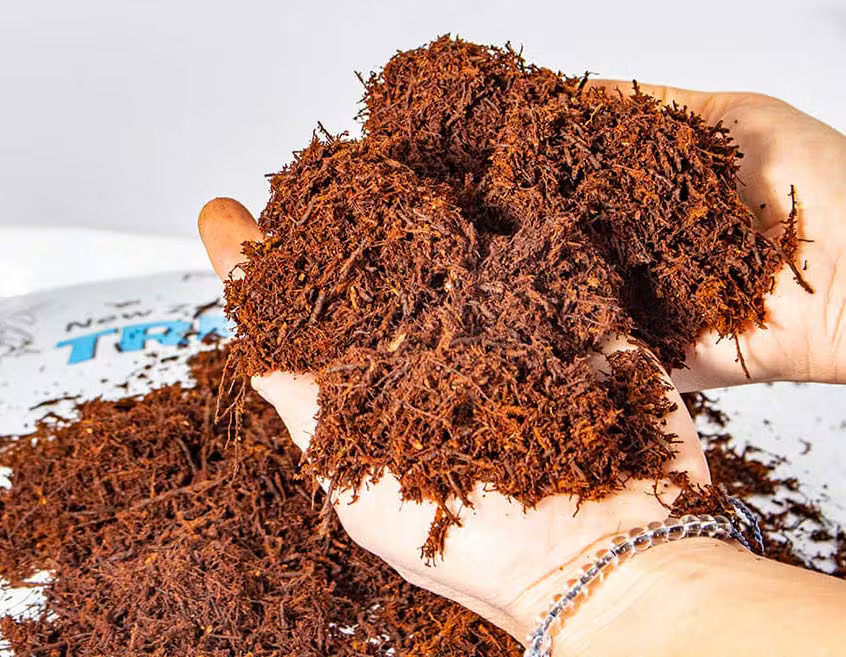
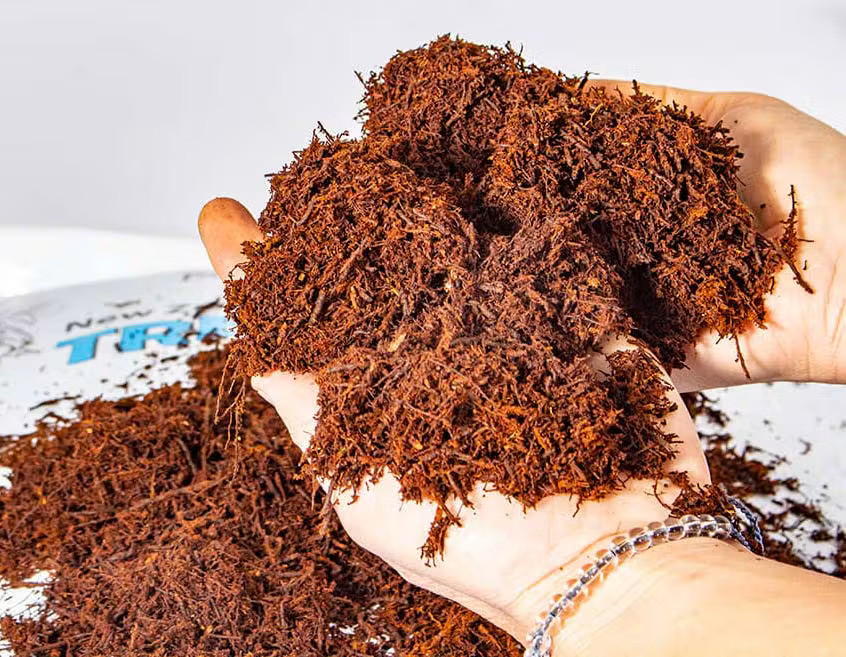
Secret #2: Add Tree Fern to the Mix
Tree fern has become one of my favorite ingredients for tropical plants.It holds moisture well. Yet it still leaves room for airflow. The texture stays stable for a long time too. That last point matters more than most people realize. Some substrates look great on day one. Six months later they are collapsing into a dense mess. Tree Fern from Acadian Supply holds its structure much longer. That creates a more consistent root environment. And roots love consistency.
Secret #3: Look down at your Plant’s Roots More Often
People spend a lot of time staring at leaves. Roots tell a better story. The next time you re-pot, take a minute to inspect them. Healthy roots are firm. They look active. They smell fresh. Dark, mushy roots are a warning sign. One quick inspection can reveal problems that leaves will not show for weeks.
Secret #4: Build Your Mix Around Your Home
There is no perfect recipe. Someone growing plants in Arizona needs a different mix than someone growing in Florida. A dry home may need more moisture retention.A humid home often needs extra airflow. This is where many online recipes fall apart. They assume everyone grows under the same conditions. Nobody does.
A Simple Recipe Mix for Aroids
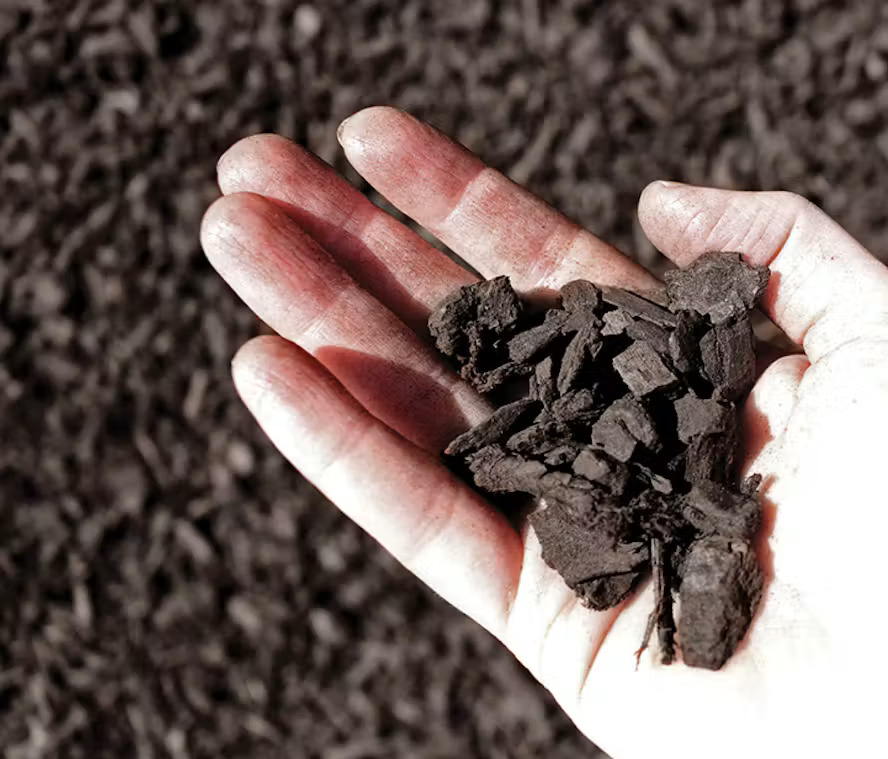
If you need a starting point, try this:
- 40% orchid bark
- 25% tree fern
- 15% perlite
- 10% charcoal
- 10% coco chips
It is simple. It drains well. Most tropical plants respond nicely to it. Then adjust as needed. Your plants will tell you what they prefer.
Tree Fern vs Orchid Bark
People often ask which one is better. The truth is that they work best together. Orchid bark creates structure and airflow. Tree fern adds moisture retention and longevity.If I had to choose one for long-term root health, I would lean toward tree fern. It simply stays useful for longer. That is one reason so many collectors use Tree Fern from Acadian Supply in their premium mixes.
Secret #5: Re-pot Before Things Go Wrong
Waiting is usually the mistake. Most root problems start quietly. The plant keeps growing. Everything looks normal. Meanwhile the substrate is slowly breaking down underneath. By the time yellow leaves appear, the damage has often been happening for months. Fresh substrate is much easier than root recovery.
Secret #6: Ignore the Watering Calendar
Plants do not own calendars. Watering every Sunday sounds organized. It also causes plenty of problems. Some weeks the plant dries quickly. Other weeks it barely uses any water. Check the mix instead. Lift the pot. Feel the weight. Look at the roots. They are far more reliable than a reminder on your phone.
Secret #7: Think About the Next Two Years
Most people shop for soil based on today’s price. Experienced growers think differently. They think about how the substrate will perform next year.
Will it still drain well?
Will it still hold structure?
Will the roots still have room to breathe?
That is why premium ingredients continue gaining attention among hobbyists.Healthy roots are rarely an accident. They are usually the result of good decisions made months earlier. So before you buy another fertilizer or plant light, ask yourself one question. Have you given the roots the environment they actually want?
FAQs
- What is a chunky aroid mix?
It is a loose mix that improves airflow and drainage around roots. - Can I use regular potting soil for aroids?
You can, but it often stays wet too long and limits root growth. - Is tree fern worth the extra cost?
Many growers think so because it lasts longer and holds its structure well. - How often should I re pot aroids?
Most aroids benefit from repotting every 1 to 2 years. - Why are my roots growing slowly?
Dense soil, poor airflow, or excess moisture are common causes. - Can a better mix help my Monstera grow faster?
Yes. Healthy roots usually lead to stronger leaves and quicker growth.