
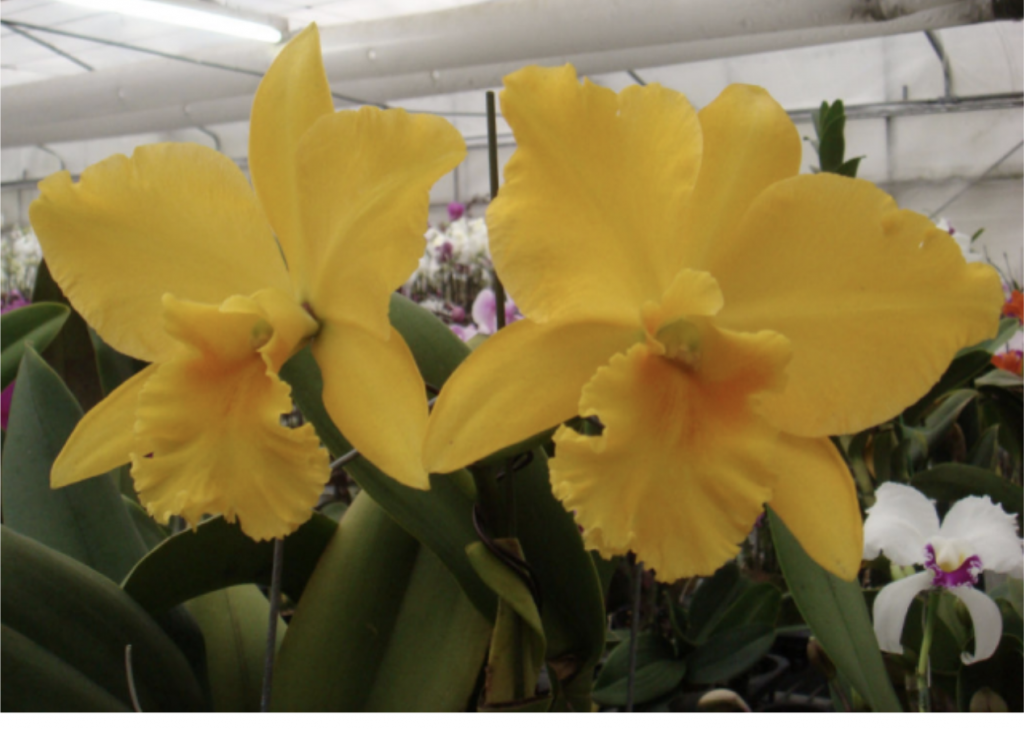
Want your orchid to bloom again? Focus on four things. Light, temperature, watering, and what it’s growing in. Nail those, and most orchids will flower again, often more than once a year.
So your orchid dropped its last flower. Now it’s just sitting there. A bunch of green leaves and not much else. You’re probably wondering, is that it? Did it die? Is it resting? Did I mess something up?
Take a breath. This happens to almost everyone. Orchids aren’t one-and-done plants. Give it a little patience, get the setup right, and that same plant can flower again. Sometimes for years.
Why Orchids Stop Blooming in the First Place
After blooming, Phalaenopsis orchids typically return to a growth phase, producing one or two new leaves before developing another flower spike. Their blooming cycle often follows the seasons, though some orchid types can flower repeatedly throughout the year.
Most of the time, when an orchid “won’t” rebloom, it’s not dying. It’s just missing one piece. Maybe the light’s too low. Maybe the temperature never changes. Maybe the roots are sitting in old, soggy bark that stopped doing its job ages ago.
Why Won’t My Orchid Rebloom? A Quick Self-Check
Before going further, figure out what’s actually going on with your plant. Run through this list. Something here will probably ring a bell.
- Leaves are dark green instead of grassy green, usually a light problem
- Lack of seasonal changes, such as cooler nighttime temperatures or shifts in daylight hours. This can prevent many popular orchid varieties from producing new flower spikes and reblooming.
- Watering on autopilot, no checking if the medium’s actually dry
- Bark looks broken down, mushy, or compacted, roots can’t breathe
- No fertilizer in months, the plant’s got nothing left for flowers
If two or more sound familiar, don’t stress. None of these are hard fixes. Let’s go through them one by one.
How to Get Orchids to Rebloom: Light Requirements
If you fix just one thing, fix this. Light drives everything. Without enough of it, your orchid grows plenty of leaves but never builds up the energy to flower.
A bright window with indirect light works best. East-facing windows are a sweet spot for most Phalaenopsis. South-facing can work too, just keep the plant a few feet back so the leaves don’t scorch.
How do you know if your orchid’s getting enough light? Check the leaves. Easiest visual cue there is.
- Dark, almost olive-green leaves usually mean too little light
- Medium, grassy green leaves mean you’re in the right zone
- Reddish or yellowish tints can mean too much direct sun
Picture two orchids side by side. One’s got deep, shiny, dark green leaves. The other’s a lighter, almost lime-green shade. The lighter one is way more likely to bloom. If your plant looks like the first one and hasn’t flowered in over a year, just move it closer to a window. Sometimes that’s genuinely all it takes.
The Temperature Trick That Triggers Reblooming
Here’s something most people don’t know. Orchids need a temperature drop to trigger a new bloom spike. Not dramatic, just a noticeable dip at night.
A 10 to 15 degree drop, especially in fall, mimics what happens out in nature. It tells the plant, hey, time to start prepping for flowers.
Nothing fancy required here. A windowsill that gets a bit cooler at night does the trick. Some growers move their orchids closer to a window in autumn just for this reason. We’ve watched this small nudge kickstart spikes on plants that hadn’t bloomed in over a year. Almost like flipping a switch the orchid’s been waiting on.
Watering and Feeding for Healthy Spikes
Watering trips up more people than anything else. Too much, and roots rot. Too little, and the plant stalls. Neither helps with reblooming.
Good rule of thumb, water once a week, only when the top inch of medium feels dry. If you’re not sure, just stick a finger in there. Not glamorous, but it works.
Feeding matters too, especially during the growing season.
- Use a balanced orchid fertilizer in spring and summer
- Feed at quarter or half strength, more often beats stronger
- Cut back once the plant goes into its resting phase
Skipping fertilizer entirely is one of those quiet reasons orchids stop reblooming. The plant just doesn’t have what it needs to build a new spike.
What to Do With the Old Flower Spike
This is where most people freeze. Flowers gone, now there’s this long, awkward stem. Cut it? Leave it? Panic?
Honest answer, it depends on what the spike looks like.
- If it’s still green and firm, cut it just above a node, that small bump along the stem. Sometimes a new spike grows right from there, giving you a faster rebloom.
- If it’s brown or dried out, cut it back to the base. The plant’s done with that one anyway, better off putting energy into roots and leaves.
Either choice is fine. Neither’s wrong. Just comes down to timing and how patient you’re feeling.
How to Get Orchids to Rebloom After Cutting
So you’ve cut the spike. Now what? This part doesn’t get talked about enough, and honestly, it’s where the real waiting begins.
After cutting, your orchid shifts gears. Instead of flowers, it’s building roots and leaves. You might see a new leaf forming over the next couple months. That’s a great sign. Once that leaf’s fully grown, often as big as the others, your orchid’s usually ready to spike again.
A few things help speed it along:
- Keep light and watering consistent, don’t change the routine right after cutting
- Keep up with light feeding to support new growth
- Bring in that nighttime temperature drop once a new leaf matures
Patience really is the name of the game here. Some orchids spike again within a couple months. Others take closer to six. Both are normal.
The Role of Your Growing Medium

Here’s something that gets overlooked constantly, and it’s a big one. What your orchid’s sitting in plays a huge role in whether it reblooms at all.
Old, broken-down bark holds too much water. It compacts, stops draining, and basically suffocates the roots. And here’s the thing, orchid roots need air almost as much as they need water. When that’s missing, the whole plant suffers, flowers included.
This is where Orchiata really stands out. It’s premium New Zealand bark, built to last. Cheaper bark mixes break down within months, but Orchiata typically lasts two to three times as long before it needs replacing. That means fewer repots, healthier roots, and more energy going toward blooms instead of root recovery.
We’ve talked to growers who switched to Orchiata after years of dealing with mushy, fast-decaying bark, and the difference in root health was night and day. Healthier roots mean a healthier plant. And a healthier plant is just more likely to rebloom.
A Quick Supplies Checklist
Before you start fiddling with light placement or cutting spikes, it helps to have the basics on hand. Nothing fancy, just the right tools for the job.
- Sterilized scissors or pruning shears, for clean spike cuts
- A balanced orchid fertilizer, ideally one made specifically for orchids
- Fresh bark or a quality mix, like Orchiata, for repotting when needed
- A spray bottle or watering can with a narrow spout, for controlled watering
- A small thermometer, if you want to track that nighttime drop
You don’t need all of this on day one. But having it ready means you’re not scrambling once your orchid finally shows signs of life.
Common Mistakes That Can Quietly Stop Reblooming
Even experienced growers fall into these. See if any of these are familiar to you.
- Letting the plant sit in stale, broken-down bark for years without repotting
- Keeping the temperature totally constant, no seasonal shift at all
- Overwatering “just to be safe,” which actually drowns the roots
- Skipping fertilizer because the plant “looks fine” without flowers
- Moving the orchid around too much, which can stress it out
None of these feel huge on their own. But together, they add up to a plant that just sits there, green and stuck, never quite getting the push it needs.
Signs Your Orchid Is About to Spike
This part’s exciting, honestly. After weeks of nothing, here’s what to watch for.
- A small green nub near the base of a leaf, often mistaken for a root at first
- A flattened, slightly green growth between leaves, that’s usually a spike, not a root
- Roots turning bright green after watering, a sign the plant’s actively soaking it up
If you spot something that might be a spike, resist checking on it ten times a day. Just let it grow. Spikes can take weeks to really show their shape.
A Realistic Timeline
One question we hear a lot, how long should this actually take? Fair question. Orchids aren’t fast plants, and expecting blooms in two weeks is a recipe for disappointment.
Here’s roughly what to expect:
- Weeks 1 to 4 after cutting, mostly quiet, plant focuses on roots
- Months 1 to 3, new leaf growth becomes visible
- Months 3 to 6, with the right light and temperature drop, a new spike often appears
- Months 6 to 12, full rebloom, sometimes with multiple flowers
Is it worth the wait? For most growers, yeah, absolutely. There’s something genuinely satisfying about coaxing the same plant back into bloom instead of tossing it and grabbing a new one.
One Last Thought

If there’s one thing worth taking away from all this, it’s that reblooming isn’t about luck. It’s about consistency. Light, a bit of seasonal coolness, sensible watering, and a growing medium that actually supports the roots, that’s really the whole formula.
At Acadian Supply, we’ve worked with growers for years who care about getting this right, not just for one bloom cycle, but for years of them. Whether it’s picking the right substrate or just paying attention to what your orchid’s roots are telling you, small details add up over time. You can check out Orchiata and other premium substrates through Acadian Supply whenever you’re ready to give your orchid a real shot at thriving long-term.
So next time your orchid drops its last flower, don’t write it off just yet. What if that “boring” green plant on your windowsill is only one season away from blooming again?
FAQs
- How often do orchids rebloom?
Most healthy Phalaenopsis rebloom once or twice a year, often fall through spring, given decent light and temperature swings.
- Can you actually force an orchid to rebloom?
Not “force” exactly, but you can nudge it along. A nighttime temperature drop and consistent light are the two biggest triggers.
- Should I repot before trying to get it to rebloom?
If the bark’s broken down, compacted, or smells off, yes. Fresh, well-draining medium like Orchiata supports root health, and that supports blooming.
- Why does my orchid only grow leaves, never flowers?
Usually points to low light or no seasonal temperature change. Both are easy fixes, no repotting needed.