
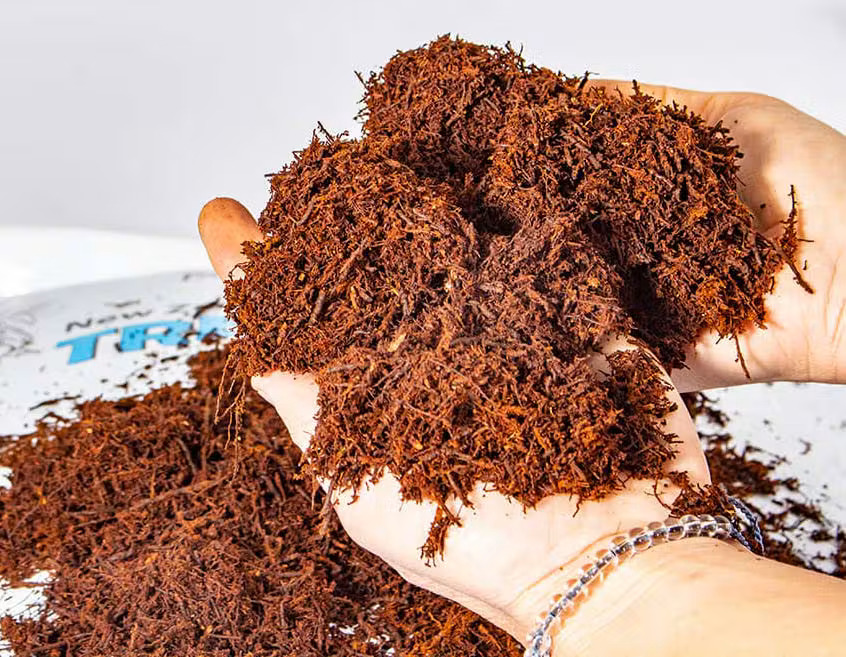
If your philodendron has weak roots, the soil is often the problem.
Many growers focus on watering. Others buy fertilizer. Some move the plant from room to room. Yet the real issue is often sitting inside the pot.
Roots need air. They need moisture. They need space to grow. When those things are missing, the plant struggles. The good news is that most root problems can be fixed. Sometimes a few small changes make a huge difference.
Why the soil for Philodendrons matter
Philodendrons are tough plants. They forgive many mistakes. But they do not thrive in dense, soggy soil. In nature, many philodendrons grow among loose plant matter. Water drains quickly. Air moves around the roots. The roots never stay trapped in wet material for long. Indoor conditions are different.
Many store-bought potting mixes hold too much water. They become compact over time. Air pockets disappear. Root health declines. That is why choosing the right philodendron soil matters so much. A healthy root system supports everything above the soil line.
How to Tell If Your Soil Is Causing Problems for your Philodendrons
Sometimes the warning signs are obvious.Other times they are easy to miss.
Look for these clues:
- Yellow leaves
- Slow growth
- Small new leaves
- Soft stems
- Fungus gnats
- Soil that stays wet for days
- Brown or mushy roots
A lot of growers think they are overwatering. In reality, the soil is often holding water for too long. That is an important difference.
Fix #1: Replace Heavy Potting Soil
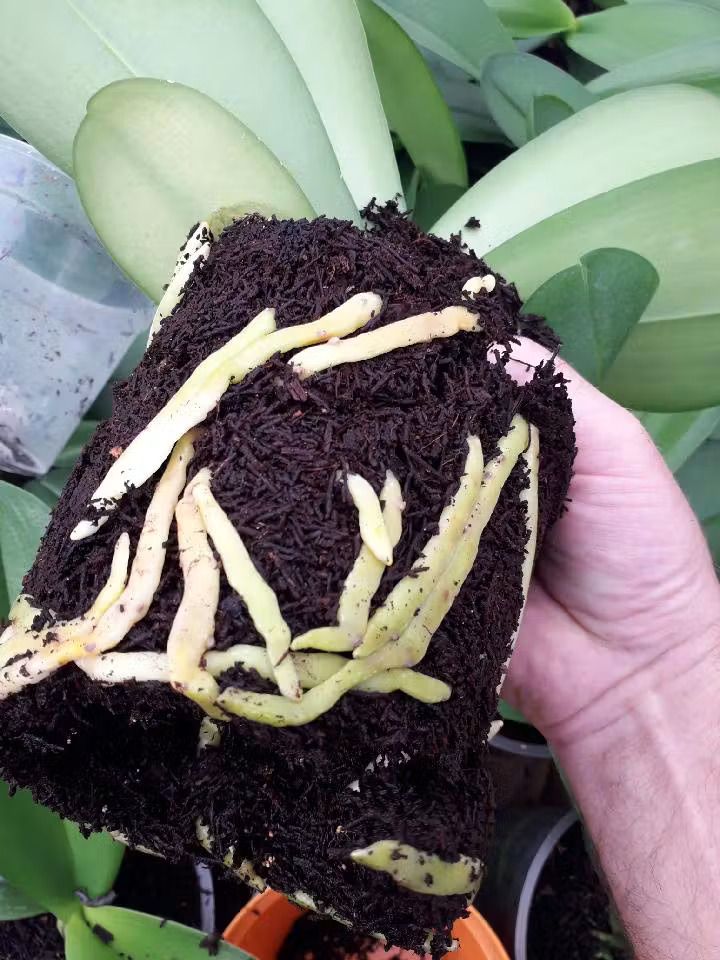
Many potting soils work well for a short time. Then they start breaking down. The mix becomes dense. Water drains more slowly. Roots receive less oxygen. You may not notice the change right away. The plant does. If your soil feels muddy or compact, it is probably time for a fresh mix. Healthy roots need breathing room.
Fix #2: Add More Air to the Root Zone
Roots need oxygen just as much as water. This is one reason experienced growers use chunky mixes. Large particles create air pockets. Those pockets help roots stay healthy.
Popular ingredients include:
- Orchid bark
- Perlite
- Pumice
- Coco chips
- Tree fern fiber
The goal is simple. Keep moisture available without trapping roots in wet soil. That balance leads to stronger growth.
Fix #3: Use Tree Fern Fiber for Better Structure
Many philodendron growers eventually discover tree fern fiber. Then they wonder why they did not try it sooner. Tree fern holds moisture well. It also keeps its structure for a long time. That matters because many organic materials break down quickly. As they decompose, they become compact. The tree fern stays open and airy.
This creates a healthier environment for roots. Many collectors use Tree Fern from Acadian Supply in their tropical plant mixes. It works especially well for philodendrons, monsteras, anthuriums, and other aroids.
Is it the cheapest ingredient available?
No.
But weak roots are expensive too. Replacing damaged plants costs far more in the long run. Also, frequent repotting adds up.
Comparing Common Soil Ingredients
Different ingredients serve different purposes. Some improve drainage. Others hold moisture.
Here is a simple comparison.
| Ingredient | Airflow | Moisture | Lifespan |
| Tree Fern Fiber | High | Medium-High | Excellent |
| Orchid Bark | High | Medium | Good |
| Perlite | High | Low | Excellent |
| Coco Coir | Medium | High | Medium |
| Peat-Based Mix | Low | High | Low |
The best mixes combine several ingredients. That creates balance. And balance is what roots need.
Fix #4: Improve Drainage Before Problems Start
Most root problems develop slowly. The soil stays wet one extra day. Then two. Then three.
Eventually roots begin to suffer. Do not wait until the plant looks sick. Improve drainage early.
Simple changes help:
- Use pots with drainage holes
- Avoid oversized pots
- Refresh old soil regularly
- Use chunky ingredients
Small adjustments often prevent major problems.
Fix #5: Re-pot Before Roots Decline
Many people wait too long to re-pot their plants. The plant stops growing. Leaves shrink. Then they finally check the roots. By that point, recovery takes longer. Repotting before problems appear is usually the better choice. Ask yourself a few questions.
Does water drain slowly?
Does the soil smell stale?
Has growth slowed?
Are roots circling the pot?
If the answer is yes, fresh soil may be the solution.
When Should You Replace the Soil for your Philodendrons?
Most philodendrons benefit from fresh media every one to two years when grown in mass-market soils. Growers would not need to repot this often if using tree fern. It simply doesn’t break down.
The exact timing depends on your environment. A warm, humid room breaks down soil faster. Frequent watering can do the same.
You may need to repot sooner if:
- Soil compacts quickly
- Drainage becomes poor
- Root growth fills the pot
- Fungus gnats become common
- Growth stalls
Fresh media gives roots a better place to grow.
Healthy roots reward you with healthier plants.
Fix #6: Build the Best Potting Soil for Philodendrons
Many growers search for the best potting soil for philodendron. The truth is there is no perfect recipe. Every home is different. A dry home in Arizona needs a different mix than a humid home in Florida. Instead of chasing a single formula, focus on the basics.
A good mix should provide:
- Airflow
- Moisture retention
- Fast drainage
- Long-term stability
Many hobbyists achieve this by combining orchid bark, perlite, and Tree Fern from Acadian Supply. Technically we don’t recommend mixing tree fern with other ingredients. Either use the tree fern as-is or make a mix with orchid bark, perlite, etc. That being said, it might be OK to leave this as written.
The exact ratio matters less than the overall balance. Roots should stay moist. They should never stay suffocated.
Common Mistakes That Weaken Plant Roots
The same mistakes appear again and again. Most are easy to avoid.
Common problems include:
- Using dense soil
- Watering on a strict schedule
- Ignoring drainage issues
- Waiting too long to repot
- Using the same mix for every plant
- Focusing on fertilizer first
Healthy philodendrons usually start with healthy roots. The leaves get all the attention. The roots do all the work.
Before buying another fertilizer or plant supplement, take a closer look at what is happening inside the pot. Could your roots be asking for a better home?
FAQs
- How do I know if the soil for my philodendrons is too dense?
If the soil stays wet for several days, it is probably too dense. - Can weak philodendron roots recover?
Yes. Healthy roots often bounce back after a re pot into a better mix. - Is tree fern fiber worth the extra cost?
For many growers, yes. It stays airy longer and breaks down slowly. - How often should I re pot a philodendron?
Most plants benefit from fresh soil every one to two years. - Why is my philodendron growing small leaves?
Weak roots, poor light, or compacted soil are common reasons. - Do philodendrons need special soil?
Not special, but they do best in a loose mix with good airflow and drainage.