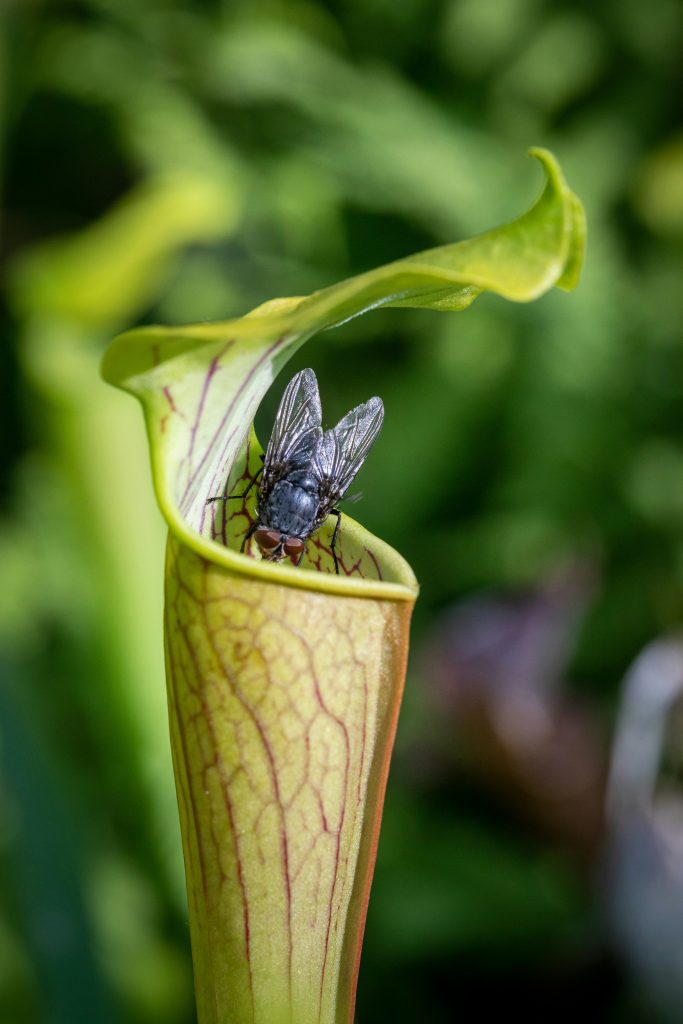
Pitcher plant soil is two or three ingredients mixed in the right ratio. That’s genuinely it. Most pitcher plants that die in the first year weren’t killed by neglect or bad luck. They were put in the wrong medium, in the wrong pot, with the wrong water. All three of those things are fixable before you even buy the plant.
Regular potting mix. Garden compost. Fertilised soil. These seem like reasonable choices when you’re standing in a garden centre holding a carnivorous plant you just bought. They aren’t. Pitcher plant roots evolved in bog conditions with almost no nutrients in the soil. Rich growing medium doesn’t help them. It burns them.
There’s also a distinction most guides skip: the type of pitcher plant you have changes the recipe. Nepenthes, the hanging tropical types from Southeast Asia, need a different mix than Sarracenia, the upright North American bog species. Same carnivorous habit, completely different origins, different soil requirements. Acadian Supply supplies the New Zealand sphagnum that goes into both, and this guide covers exactly which one needs what.
Why Pitcher Plants Can’t Use Normal Soil
Both Nepenthes and Sarracenia evolved in places where the soil provides almost nothing. Nepenthes cling to mossy branches or rocky outcrops in tropical rainforests. Their roots get very little from the substrate itself. Sarracenia grows in North American bogs where the water is essentially mineral-free and the ground is almost pure decomposed moss.
In both cases, the plant found a different way to get nitrogen: catch insects. The pitchers are the workaround for what the soil can’t provide. So when you pot a pitcher plant in nutrient-rich compost, the root system doesn’t benefit from those nutrients. It gets chemically burned by them. Fertiliser in the soil does the same thing.
The other issue is air. Nepenthes roots in particular need oxygen moving around them. Dense potting mix that packs around the roots cuts off that airflow. Root rot follows quickly. Good pitcher plant soil holds moisture without turning into a swamp, drains freely, and gives roots nothing to work with nutritionally.
Nepenthes vs Sarracenia: Which Soil Fits Which Plant
This is the question most guides skip, and it’s the one that matters most. Nepenthes and Sarracenia are both pitcher plants but their natural environments are different enough that an ideal substrate for one is genuinely not right for the other. Before you mix anything, know which type you have.
| Factor | Nepenthes (Tropical) | Sarracenia (North American) |
| Origin | SE Asian rainforests, semi-epiphytic | North American bogs and wetlands |
| Primary soil need | Airy, fast-draining, low nutrients | Moist, acidic, low nutrients |
| Best base medium | Sphagnum moss + perlite or bark | Peat + horticultural sand or perlite |
| pH range | 5.0 to 6.5 | 3.5 to 5.0 |
| Moisture level | Consistently moist, not waterlogged | Very wet, tray method standard |
| Fertiliser | Never in soil, drops inside pitcher only | Never |
| Repot frequency | Every 1 to 2 years | Every 2 to 3 years |
The pH difference is the one growers miss most. Sarracenia want it acidic, down to 3.5. That’s more acidic than most Nepenthes prefer. A pure peat mix is appropriate for Sarracenia but tends to compact and hold too much moisture for Nepenthes over time, setting up root rot. The moisture difference matters in practice too. Sarracenia sit in water. Nepenthes don’t.
Pitcher Plant Soil Ingredients: What Each One Does
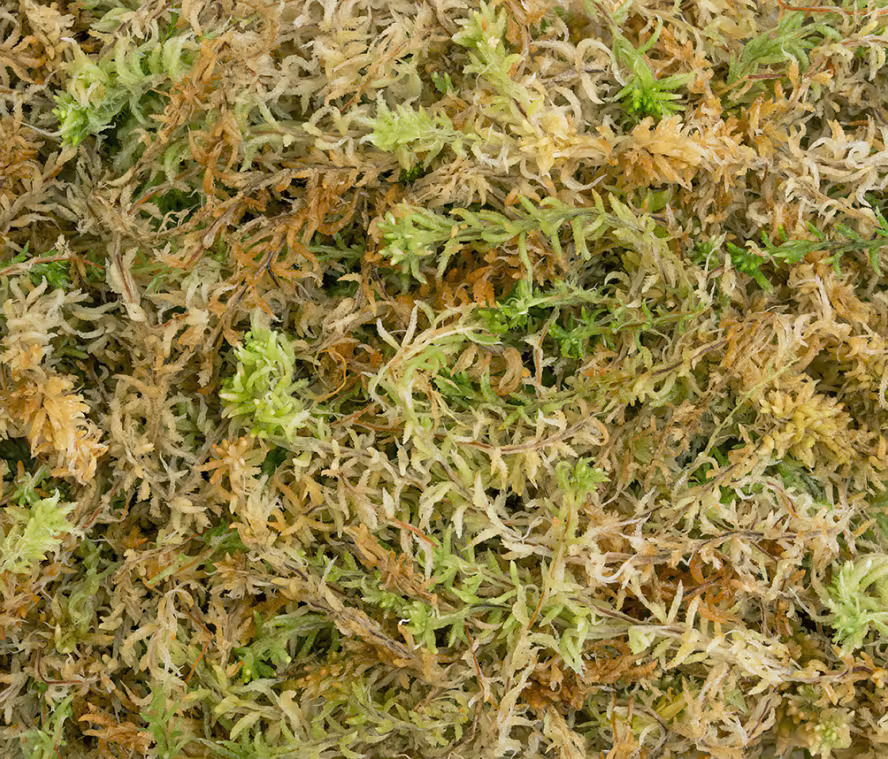
Again, not the best photo when targeting hobbyists. Before you pick a recipe, it helps to know what you’re working with. The ingredient list is short and each one has a specific job.
| Substrate | Drainage | Moisture | Nepenthes | Sarracenia | Notes |
| Pure sphagnum moss (NZ) | Good | High, stable | Excellent | Good | Stays acidic, slow to break down |
| Peat moss | Moderate | High | Moderate | Excellent | Core Sarracenia medium |
| Perlite | Excellent | Low | Good (mix) | Good (mix) | Aeration only, never alone |
| Horticultural sand | Excellent | Very low | Not recommended | Good (mix) | Pure silica only |
| Fine orchid bark | Excellent | Low | Good (mix) | Not recommended | Adds aeration for Nepenthes |
| Regular potting mix | Poor | Variable | Never | Never | Contains fertiliser that kills pitcher plants |
The sphagnum row is the one worth spending time on. Not all sphagnum is the same species or the same quality. New Zealand sphagnum cristatum, available through Acadian Supply’s carnivorous plant range, holds moisture consistently, stays naturally acidic, and breaks down significantly slower than cheaper alternatives from China or Chile. A medium you’re leaving a plant in for one to two years benefits from that consistency.
Perlite confuses a lot of beginners. It looks like tiny white beads and holds almost no moisture on its own. Its job is aeration and drainage. Mixed into sphagnum or peat, it keeps the structure open so roots can breathe. Don’t reduce the perlite ratio thinking it’s filler. It’s doing the drainage work that prevents root rot.
5 Pitcher Plant Soil Recipes With Exact Ratios
These recipes use widely available materials. Pick the one that matches your plant type. All ratios are by volume, not weight.
| Recipe | For | Ratio | Best For |
| Classic Nepenthes mix | Tropical pitcher plants | 60% sphagnum + 40% perlite | Indoor Nepenthes, most species |
| Nepenthes bark mix | Larger or mature Nepenthes | 50% sphagnum + 30% perlite + 20% fine bark | Hanging baskets, big plants |
| Classic Sarracenia mix | North American pitcher plants | 50% peat + 50% horticultural sand | Outdoor bog, potted Sarracenia |
| Sarracenia wet mix | S. psittacina and bog species | 60% peat + 30% sand + 10% live sphagnum | Semi-aquatic Sarracenia |
| General carnivorous mix | Mixed collections | 50% peat + 30% perlite + 20% sphagnum | Multiple carnivorous plant types |
Classic Nepenthes: 60% Sphagnum + 40% Perlite
The starting point for most Nepenthes and the recipe that works across the majority of species. Rehydrate the sphagnum fully before mixing. The finished medium should feel damp and springy. Squeeze a handful and if water pours out, add more perlite. If it feels crumbly and dry, add more sphagnum.
Nepenthes Bark Mix: 50% Sphagnum + 30% Perlite + 20% Fine Bark
For larger Nepenthes or plants in hanging baskets where the medium dries a bit faster. The bark adds structural support and increases aeration in bigger pots where pure sphagnum can compact under its own weight. Use fine-grade bark only. Coarse bark leaves gaps too large for the roots.
Classic Sarracenia: 50% Peat + 50% Horticultural Sand
The standard recipe for North American pitcher plants and what bog garden growers have used for generations. Peat provides acidity and moisture. Sand prevents waterlogging. The sand must be horticultural or silica grade. Builder’s sand and beach sand contain compounds that damage roots over time.
Sarracenia Wet Mix: 60% Peat + 30% Sand + 10% Live Sphagnum
For wetter-growing Sarracenia species like S. psittacina, which sometimes grows partially submerged in its native range. Live sphagnum at the surface continues growing and helps oxygenate the medium. Not the right recipe for most upright Sarracenia, but worth knowing if you’re growing the semi-aquatic types.
General Carnivorous Mix: 50% Peat + 30% Perlite + 20% Sphagnum
A compromise recipe for growers with mixed collections. It works reasonably across sundews, Venus flytraps, and pitcher plants without being the ideal for any single type. For a beginner with several different carnivorous plants in the same setup, it’s a practical starting point before you optimise by species.
What Pot to Use: Container Choice Affects the Soil
The pot you choose changes how the substrate behaves. Terracotta is the common mistake. It wicks moisture away from the medium faster than the plant can absorb it, and more importantly, it can absorb and then slowly leach minerals back into the soil over time. For plants that are extremely sensitive to mineral buildup, this is a genuine problem rather than a minor inconvenience.
| Pot Type | Suitability | Reason | Best For |
| Plastic pot (drainage holes) | Excellent | Holds moisture, doesn’t leach minerals | Both Nepenthes and Sarracenia |
| Ceramic/glazed pot | Good | Holds moisture well if glazed | Both, if fully glazed inside |
| Terracotta | Poor | Wicks moisture away, can leach minerals into medium | Not recommended for carnivorous plants |
| Net pot or basket | Excellent (Nepenthes) | Maximum aeration, good for epiphytic types | Hanging Nepenthes |
| Wide shallow container | Good (Sarracenia) | Allows room for spread, works in bog garden trays | Outdoor or indoor Sarracenia |
| Any pot without drainage | Never | Waterlogging guaranteed, roots rot | Not suitable under any circumstances |
Plastic pots are the straightforward choice for most pitcher plant growers. They hold moisture longer, don’t absorb anything, and are cheap enough to replace. Drainage holes are non-negotiable. A pot without drainage holes keeps the medium permanently waterlogged, which kills the roots regardless of how good the substrate is.
For Sarracenia growers using the tray method, the pot sits in standing water anyway so moisture retention in the pot wall isn’t the primary concern. Plastic still wins because it won’t contribute minerals to the medium. For Nepenthes, particularly those growing in hanging baskets, net pots or slatted orchid baskets provide excellent aeration for roots that need to breathe.
pH Guide: What Range Each Pitcher Plant Needs
Most growers don’t test pH and the plants grow fine. But when a pitcher plant is underperforming despite what seems like correct care, pH is often the thing nobody checked. Pure peat and sphagnum mixes tend to sit in the right range naturally, but if you’ve modified the recipe or sourced materials from different suppliers, a quick test is worth doing.
| Plant Type | Target pH | Too High Effect | How to Check |
| Nepenthes | 5.0 to 6.5 | Stunted growth, poor pitcher development | Soil pH strips or digital meter |
| Sarracenia | 3.5 to 5.0 | Weak pitchers, slow growth | Soil pH strips or digital meter |
| Sundews | 4.0 to 5.5 | Reduced dew, poor growth | Soil pH strips |
| Venus flytraps | 4.0 to 5.0 | Slow traps, yellowing | Soil pH strips |
pH strips are cheap and give a good enough reading. A digital soil meter is more precise if you’re managing a larger collection. If pH is too high, more peat brings it down. A small amount of extra perlite raises it slightly in sphagnum-based mixes. For Sarracenia specifically, being very acidic is rarely a problem as long as you’re using rainwater or distilled water.
Water Quality Matters as Much as the Soil
You can get the substrate mix exactly right and still kill a pitcher plant with tap water. This is the part most guides mention in passing and it deserves more than a sentence.
Dissolved minerals in tap water accumulate in the medium over weeks and months. The plant starts declining. You water more. It gets worse. By the time the symptoms are visible, significant root damage has already happened. The medium acts like a sponge for those minerals, and once they’re in there, the only real fix is repotting into fresh substrate.
| Water Type | TDS (PPM) | Safe? | Notes |
| Rainwater | 0 to 10 | Yes, ideal | Best for all carnivorous plants, free |
| Distilled water | 0 | Yes, ideal | Consistent, widely available |
| Reverse osmosis | 0 to 20 | Yes | Verify with TDS meter post-filter |
| Brita-filtered tap | 50 to 100+ | Usually not | Doesn’t remove enough minerals |
| Unfiltered tap water | 100 to 400+ | Never | Accumulates in medium, damages roots over weeks |
The 50 PPM TDS threshold is the number to know. A TDS meter costs a few dollars and tests any water source in seconds. Stay under that number with everything that touches your pitcher plant medium, including the water you use to pre-wet new substrate before repotting.
| Spagmoss New Zealand sphagnum cristatum is available through Acadian Supply retailers. Its consistent quality and slow breakdown rate make it the substrate many serious carnivorous plant growers come back to year after year. Find a retailer at acadiansupply.com. |
DIY Mix vs Commercial Carnivorous Plant Soil: Honest Comparison
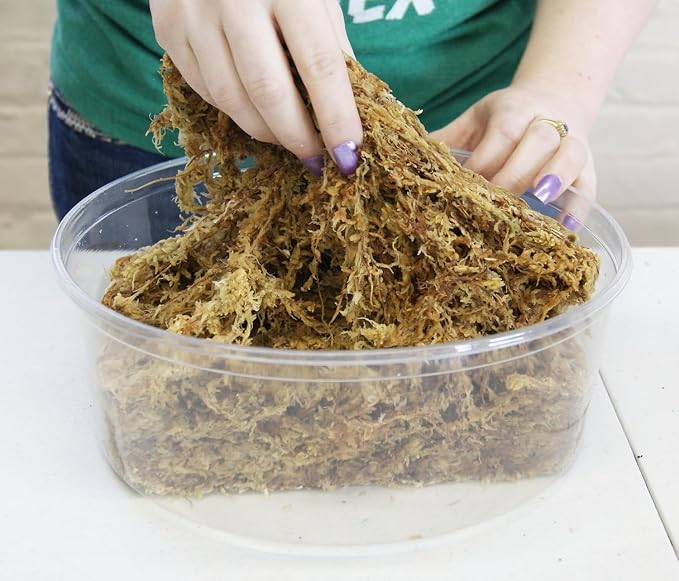
Several brands sell pre-made carnivorous plant mixes. They’re convenient and they mostly work for a plant or two. The honest comparison below is for growers deciding whether to mix their own or buy a bag.
| Factor | DIY Mix | Commercial Carnivorous Mix |
| Cost | Lower per volume | Higher, especially branded bags |
| Ingredient control | Full control | Ingredients vary by brand, often unlisted |
| Consistency | Consistent once you have ratios | Varies between batches and brands |
| Quality of sphagnum | You choose the grade | Often lower-grade or unlisted species |
| Convenience | Requires sourcing 2 to 3 ingredients | Ready to use straight from bag |
| Longevity in pot | Longer with premium sphagnum | Often shorter, cheaper ingredients break down faster |
| Best for | Growers with 3+ plants | First-time buyer with one plant |
The main issue with commercial mixes isn’t that they’re bad. It’s that you usually don’t know exactly what’s in them, particularly what species of sphagnum was used or how the peat was processed. For a single plant bought on impulse, a branded carnivorous mix is fine. For growers with three or more plants, mixing your own gives you control over quality and works out significantly cheaper per volume.
The longevity point in the table is the one most beginners don’t think about upfront. A commercial mix with cheap sphagnum may need replacing after 12 months. Premium sphagnum in a DIY mix can last two to three years in the same pot before breaking down. Over two or three repotting cycles, that difference adds up.
When to Repot: Signs Your Pitcher Plant Soil Has Broken Down
Most growers repot on a schedule, which is a reasonable approach. But knowing the visual and physical signs that the medium is done means you catch problems before they become root rot.
| Sign | What It Means | Action |
| Medium feels compacted when pressed | Aeration is gone, roots are suffocating | Repot now |
| Water drains slowly or pools on surface | Medium has broken down into fine particles | Repot now |
| Plant wilting despite correct watering | Root damage from compacted or mineral-laden medium | Repot and check roots |
| Medium smells sour or fermented | Anaerobic breakdown, root rot likely | Repot immediately, check roots |
| Medium looks dark and soil-like | Organic material has fully decomposed | Repot now |
| Plant has been in same medium 2+ years | Scheduled repot regardless of visible signs | Plan spring repot |
The compaction test is the quickest check. Take the pot and press your finger about an inch into the surface of the medium. Fresh, well-mixed sphagnum or peat/sand should feel firm but springy with some give. The old, broken-down medium feels dense and solid, like compressed soil. That texture means drainage has already failed.
Spring is the best time to repot both Nepenthes and Sarracenia. Plants are coming out of their slower winter phase and about to enter active growth, which means the new roots that form after repotting will establish quickly. Repotting in autumn or early winter is riskier because slow root establishment during dormancy increases the chance of rot.
Outdoor Bog Garden Soil Setup for Sarracenia
Sarracenia are native to outdoor bog environments and they thrive when grown that way in the right climate. A bog garden can be as simple as a wide plastic tub on a patio or as elaborate as a lined raised bed in the garden. The soil setup is the same either way.
| Step | What to Do | Notes |
| 1. Choose container | Wide, shallow, no drainage holes needed | Plastic pond baskets or old bathtubs work well |
| 2. Prepare liner | Line with heavy pond liner if using raised bed | Prevents drainage, keeps medium wet |
| 3. Fill with medium | 50% peat + 50% horticultural sand, 6 to 8 inches deep | Same Sarracenia recipe as potted growing |
| 4. Test pH | Aim for 3.5 to 5.0 before planting | Adjust with additional peat if too high |
| 5. Water in | Flood with rainwater or distilled water before planting | This establishes acidity and flushes any contaminants |
| 6. Plant depth | Same depth as nursery pot | Don’t bury rhizome too deep |
| 7. Ongoing water | Top up with rainwater, tray method equivalent | Tap water will raise mineral content of outdoor bog over time |
The liner step is the one people skip and later regret. Without a liner in a raised bed, the acidic peat medium will drain away and the surrounding garden soil, which is almost certainly too rich and too alkaline, will gradually infiltrate the bog. A proper pond liner keeps the two environments separate.
Outdoor Sarracenia in a bog garden benefit from being left alone in winter. The medium freezes in colder climates and that’s fine. Sarracenia are cold-hardy and the dormancy period in cool, moist conditions is actually better for the plant than trying to keep it warm and growing through winter. Reduce supplemental watering once growth slows in autumn and let the plant rest.
7 Pitcher Plant Soil Mistakes Worth Knowing
| Mistake | What Happens | Fix |
| Using regular potting mix | Fertiliser burns roots within weeks | Repot into peat/sand or sphagnum mix immediately |
| Adding fertiliser to the soil | Root burn, often fatal | Never fertilise the soil, drops inside pitcher only if at all |
| Using tap water | Mineral buildup slowly kills roots | Switch to distilled or rainwater, under 50 PPM TDS |
| Wrong pot: terracotta | Wicks moisture, leaches minerals | Switch to plastic or glazed ceramic |
| Using builder’s or beach sand | Salt and lime damage roots | Horticultural or silica sand only |
| Letting Sarracenia dry out | Fast decline, leaf death | Tray method, keep 1 to 2 cm of water at all times |
| Repotting too infrequently | Compacted medium causes root rot | Repot every 1 to 2 years Nepenthes, 2 to 3 Sarracenia |
The terracotta pot entry is worth calling out specifically because it’s a mistake that doesn’t announce itself. The plant doesn’t crash. It just grows more slowly than it should, the medium dries faster than expected, and nobody connects it to the pot. Switching to plastic is a free fix that sometimes produces visible improvement within a few weeks.
The tap water and regular potting mix mistakes are the most common and both have delayed consequences. The plant declines gradually. By the time it’s clearly struggling, the damage has been building for weeks. Getting both of those right from the start removes the two most likely causes of failure before the plant has a chance to suffer from either one.
Pitcher plant soil comes down to a simple idea: recreate the bog without the bog. Empty of nutrients, consistently acidic, moist but breathing. Two or three ingredients, the right pot, clean water. That’s the whole setup. Acadian Supply supplies the substrate side of that through retailers who understand what carnivorous plants actually need from their growing medium.
The thing about pitcher plants is that once the substrate, water, and pot are right, they mostly look after themselves. They’ve been catching insects without any help for millions of years. They’re quite good at it.
FAQs
- Can I use regular potting soil for a pitcher plant?
No. Regular potting soil contains fertiliser and nutrients that burn pitcher plant roots. These plants evolved in nutrient-poor bog environments and cannot handle standard soil amendments. Use peat and sand, or sphagnum and perlite, and nothing with compost, worm castings, or added fertiliser.
- What’s the best soil for Nepenthes?
A 60/40 mix of sphagnum moss and perlite is the standard starting point for most Nepenthes. Larger or mature plants benefit from adding 20% fine orchid bark. The medium should feel damp and springy, never compacted or waterlogged. Premium NZ sphagnum holds its structure significantly longer than cheaper alternatives.
- What’s the best soil for Sarracenia?
A 50/50 mix of peat moss and horticultural sand works for most Sarracenia. Wetter species like S. psittacina do better with more peat and some live sphagnum at the surface. Keep pH between 3.5 and 5.0 and use only distilled water or rainwater. Never tap.
- Should I use terracotta or plastic pots for pitcher plants?
Plastic. Terracotta wicks moisture away from the medium and can absorb minerals that slowly leach back into the soil over time. For plants that are sensitive to mineral buildup, this is a real problem. Plastic holds moisture longer and contributes nothing to the medium chemistry.
- Is commercial carnivorous plant soil worth buying?
For one or two plants, yes. Commercial mixes are convenient and mostly work. For growers with several plants, mixing your own gives you full control over ingredient quality, is cheaper per volume, and with premium sphagnum will last longer in the pot before breaking down. The main downside of DIY is sourcing three ingredients instead of one bag.
- How do I know when to repot my pitcher plant?
The medium feels compacted when pressed, water drains slowly or pools on the surface, the plant is wilting despite correct watering, or it smells sour. These signs mean the medium has broken down and repotting is overdue. Spring is the best time. Nepenthes typically need repotting every one to two years, Sarracenia every two to three.
- Can I grow Sarracenia in an outdoor bog garden?
Yes. Sarracenia are cold-hardy and grow very well in outdoor bog setups in most of the US. Use a lined container with 50% peat and 50% horticultural sand at 6 to 8 inches deep. Test pH before planting and aim for 3.5 to 5.0. Use rainwater to fill and maintain the tray. Let the plant go dormant naturally in winter.
- Why is my pitcher plant dying even though I water it?
Tap water is the most common cause. Dissolved minerals accumulate in the medium over weeks and damage the roots without obvious symptoms until the plant is already struggling. Test your water with a TDS meter. If it reads above 50 PPM, switch to distilled or rainwater and repot into fresh medium to remove the mineral buildup.
- Do pitcher plants need fertiliser in their soil?
Never in the soil. Pitcher plants get nitrogen from the insects they trap. Fertiliser in the medium causes root burn. If you want to supplement nutrition, put a few drops of very dilute liquid fertiliser directly inside a pitcher once every four to six weeks during the growing season. The plant absorbs it through the pitcher, not the roots. Learn more about carnivorous plant substrate at Acadian Supply’s carnivorous plant page.