
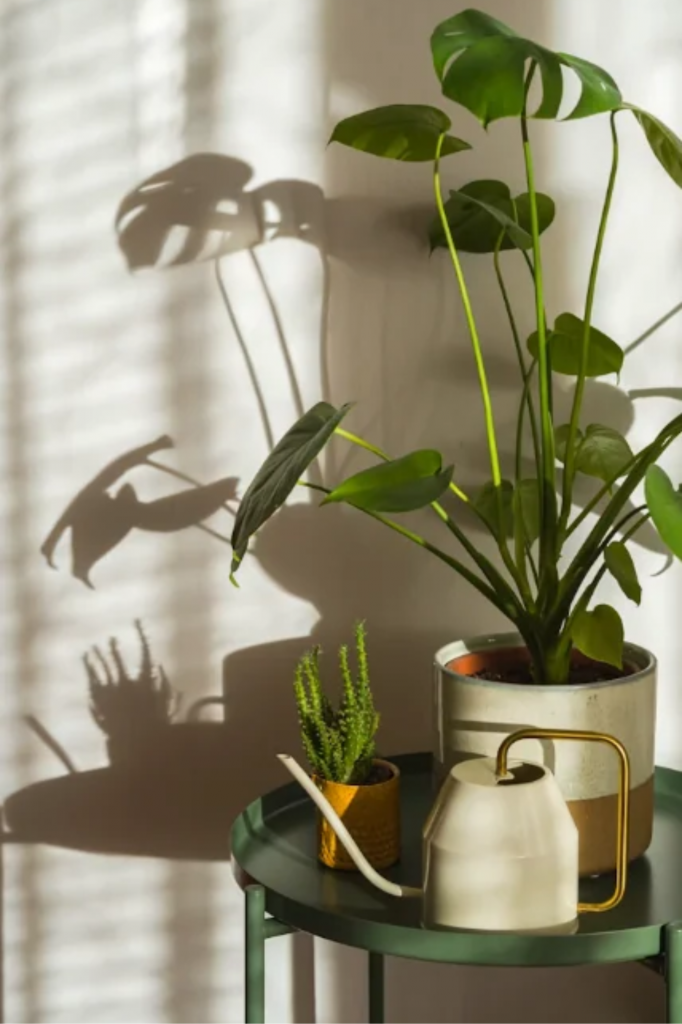
The most efficacious tropical soil mix contains a bark, a moisture retaining, and an aeration material. Orchid bark creates a loose and aery texture. Coco coir stops moisture from escaping. Perlite optimizes drainage. It keeps the mix from becoming compacted.
What Is the Difference Between Tropical Potting Mix and Regular Potting Mix?
Most tropical plants, like Monsteras and bougainvillea, evolved in conditions regular soil doesn’t replicate. Many grow as epiphytes. They cling to tree bark with roots exposed to open air. Others grow in loose, humus-rich forest floor litter.
Dense garden soil holds water for days and blocks oxygen from reaching the roots. This invites root rot fast. Tropical soil needs to solve this problem directly.
Regular potting mix, or potting soil, often contains a heavier base of compost, dirt, or fine organic matter. It holds water well but drains slowly and compacts over time.
Tropical potting mix skips the dense base entirely. It leans on chunky, soil-less materials like bark, perlite, and coco coir instead. These ingredients create air pockets throughout the mix, so water passes through quickly. It does not pool around the roots. Regular potting soil works fine for many garden vegetables and flowering annuals. Tropical plants, especially epiphytic ones, need the looser, chunkier structure instead.
How to Make Your Own Tropical Plant Soil?
The Core Ingredients
A good tropical soil mix recipe includes three types of material.
- Bark: Orchid bark or pine bark fines create large air spaces between particles. This helps excess water drain fast. It keeps the whole mix from collapsing into a dense mass.
- A moisture-holding ingredient: Those like coco coir or peat moss keeps the mix from drying out too quickly. Coco coir re-wets easily. It holds moisture without turning soggy. Peat moss adds a similar effect along with mild acidity.
- Perlite or pumice: Both of these tropical potting mix ingredients are lightweight, porous materials that create extra air pockets. They prevent the mix from compacting as it settles.
A Simple Starting Recipe
For indoor tropical plant soil, a reliable starting ratio combines one part bark, one part coco coir, and one part perlite. Mix these in equal handfuls in a large bowl or tub. This blend works well for Monstera, Philodendron, Hoya, and Anthurium. It holds up especially well through drier winter months indoors.
For more structure and less moisture retention, shift toward a 4-2-2-1 ratio. It means four parts bark, two parts perlite, two parts coco coir, and one part pumice.
Mixing Steps
- Measure each ingredient using a consistent scoop. This keeps the ratio even.
- Lightly dampen dusty ingredients like perlite before combining everything.
- Toss the ingredients together thoroughly in a large tub or bowl.
- For added nutrition, mix in a small amount of worm castings after combining the base ingredients.
- Pot your plant without compressing the mix tightly around the roots.
What to Avoid in Potting Mix for Tropical Plants?
- Regular garden soil or dirt: It compacts fast in a container. Thus, it blocks airflow and holds water far too long around the roots.
- Heavy compost as the main base: A small amount can add nutrients. But too much holds excessive moisture and invites fungal problems.
- Fine, dusty peat with no added aeration: Peat alone compacts over time. It can become hydrophobic once fully dried out.
- Mixes with added moisture-retaining polymers: These synthetic gels hold water for far too long, which most tropical plants can’t tolerate.
- Wetting agents in bagged mixes: Some bagged soils include these to keep the mix moist. But that extra retention often works against tropical root systems.
- Fertilizer-heavy bagged mixes: These are usually formulated for general flowering plants, not tropical foliage. They can deliver too much nitrogen too quickly.
How to Choose a Mix for Different Tropical Houseplants
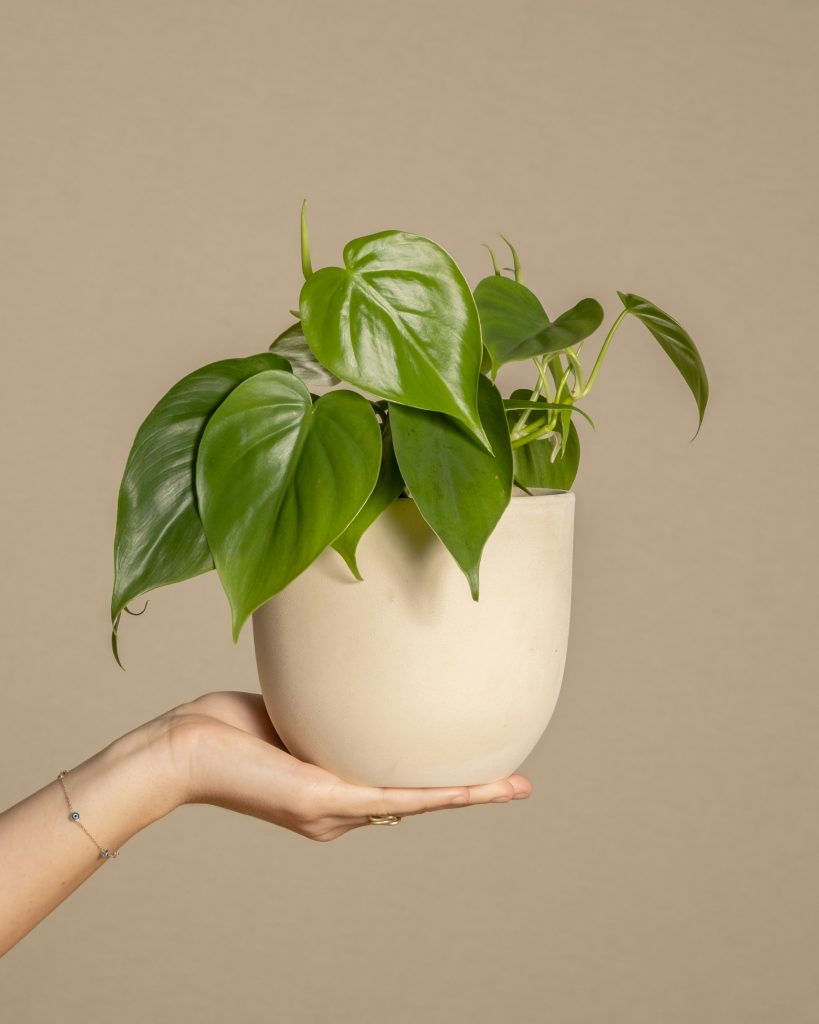
Monstera
Monstera roots want a chunky, well-aerated mix. A blend of bark, perlite, and coco coir in roughly equal parts gives their aerial roots the air pockets they need. Monsteras naturally climb and cling to bark in the wild. So, orchid bark works especially well as the structural base.
Philodendron
Philodendrons share similar needs to Monstera. Both are aroids that grow on rainforest trees and floors. A mix heavy on bark, with coco coir for moisture and perlite for drainage, keeps their roots healthy. Variegated types have reduced chlorophyll. They benefit from extra aeration to avoid any risk of root suffocation.
Alocasia
Alocasia wants a mix that holds water evenly and does not turn soggy. These plants are heavier feeders than many other aroids. Thus, a base with a bit more organic matter, balanced with perlite or pumice for fast drainage, works well.
Anthurium, Including Pink Princess Philodendron
Anthuriums, along with Pink Princess Philodendron, have velvet-leafed root systems. They are sensitive to dense, wet soil. A bark-based mix with coco coir and perlite gives these plants the airflow their roots depend on. Skipping straight potting soil entirely is especially important for these more rot-prone varieties.
Calathea and Other Prayer Plants
Calathea, Maranta, and similar prayer plants want humidity retention without soggy roots. A mix leaning slightly more toward coco coir or peat, balanced with perlite, holds consistent moisture.
Pothos and Scindapsus
These trailing aroids are more forgiving than most tropical houseplants. Still, a chunky mix with bark and perlite helps them avoid the root rot that is a result of compacted soil. Pothos in particular tolerate a wider range of mix ratios.
How to Choose a Mix for Different Outdoor Tropical Plants

Bougainvillea
Bougainvillea needs sharp drainage above almost everything else. Wilting leaves and persistently wet soil are early warning signs of a waterlogged mix. Perlite and coarse sand help combat this. Orchid bark is a genuinely useful addition here too. Its chunky structure gives roots the airflow bougainvillea craves in a container. Premium mixes sometimes add charcoal or biochar for extra root protection. This pairs well with bark for a well-draining outdoor blend.
Plumeria
For plumeria, a simple tropical soil mix recipe combines one-third peat, one-third decomposed pine bark, and one-third perlite. An alternative splits it into quarters. Peat, coco coir, decomposed pine bark, and perlite.
For potted cuttings specifically, a mix of one part coarse perlite, one part pine bark fines or orchid bark, and one part cactus or succulent potting mix works well. Bark contributes both structure and a slightly acidic pH that plumeria prefers. It should drain water within five to ten seconds of watering.
Hibiscus
Hibiscus tolerates a heavier mix. It prefers consistent moisture and not an aggressively fast-draining blend. A standard outdoor tropical mix with compost, perlite, and a moderate amount of organic matter suits hibiscus perfectly.
Heliconia
Heliconia’s ideal medium is loose, humus-rich, and slightly acidic. It mimics a tropical forest floor. A workable mix combines aged compost or leaf mold, coarse perlite or pumice, coconut coir, and a small amount of horticultural charcoal. Heliconia demands excellent drainage. But it genuinely dislikes drying out. So the organic, moisture-retentive base matters more here than a bark-dominant structure.
Canna Lily
Canna lily thrives in organically rich, well-drained soil that still holds some moisture. It actually tolerates occasional standing water. It prefers a soil pH around 6.0 to 6.5. A blend of garden soil or potting mix, compost, and a modest amount of perlite works well outdoors. Canna is a heavy feeder. Thus, regular compost or organic fertilizer additions are important.
Choosing Bark for Your Tropical Mix
Standard bark is composted rather than aged. Thus, it tends to break down within a season or two. Once it breaks down, it compacts and stops draining properly.
Orchiata orchid bark is made from 100% New Zealand Pinus radiata. It works well as the bark component in tropical mixes for plants like Monstera, Philodendron, bougainvillea, and other bark-loving species mentioned above. Rather than composting the bark, Orchiata goes through an aging process instead. It conditions the outer surface to hold water and nutrients while the inner structure stays hard. This means it resists breaking down for years. Thus, a mix built with Orchiata holds its structure through many watering cycles without constant refreshings.
Orchiata works as one component within a larger blend. It should be used alongside perlite, coco coir, or other moisture-holding materials. It is not recommended to be used as a complete standalone tropical mix.
Soil Built for the Way Tropical Plants Actually Grow
Tropical plants don’t share one universal soil recipe, and that’s the whole point. But what connects them all is the need to move away from dense, generic potting soil. It’s important to choose a mix built around each plant’s actual root behavior. Durable organic components like Orchiata give these custom blends real staying power. It helps in holding their structure through repeated watering. Match the mix to the plant, and your tropical collection will grow the way it’s meant to.
FAQs
What type of potting mix is best for a Pink Princess Philodendron?
A chunky, bark-based mix with coco coir and perlite suits Pink Princess Philodendron well. Its velvet leaves and reduced chlorophyll make root health especially important. Avoid dense potting soil entirely, since this variety is particularly prone to root rot in soggy conditions. Good airflow around the roots matters more than moisture retention here.
Can I use soil instead of potting mix?
No, regular garden soil is not a good substitute for tropical plants in containers. It compacts easily, drains poorly, and holds too much water around delicate roots. Potting mix, built from bark, perlite, and other soil-less materials, gives tropical plants the drainage and airflow that garden soil cannot provide.
Is it cheaper to buy potting mix or make your own?
Making your own mix is often cheaper if you already grow several tropical plants. Buying bulk bark, perlite, and coco coir spreads the cost across many pots. For just one or two plants, a pre-made bag may cost less upfront. Long-term growers usually save money mixing their own.